But for the Zubora girl writer, this "a little" is very troublesome. The process of taking out the familiar silver items at the izakaya's freshly squeezed sour, squeezing the juice, and washing it later is unavoidable. What should I do with the remaining amount after using it for a while? In the first place, I can't use lemon so much ...
◆ I found "Lemon Juicer"
That's why when I found an item called "Lemon Juicer" at the 100-yen shop "Can Do", I immediately put it in my basket. 108 yen for 2 pieces is 54 yen per piece. The spray I saw on TV before was about 2,000 yen. If this works, there's no better deal!
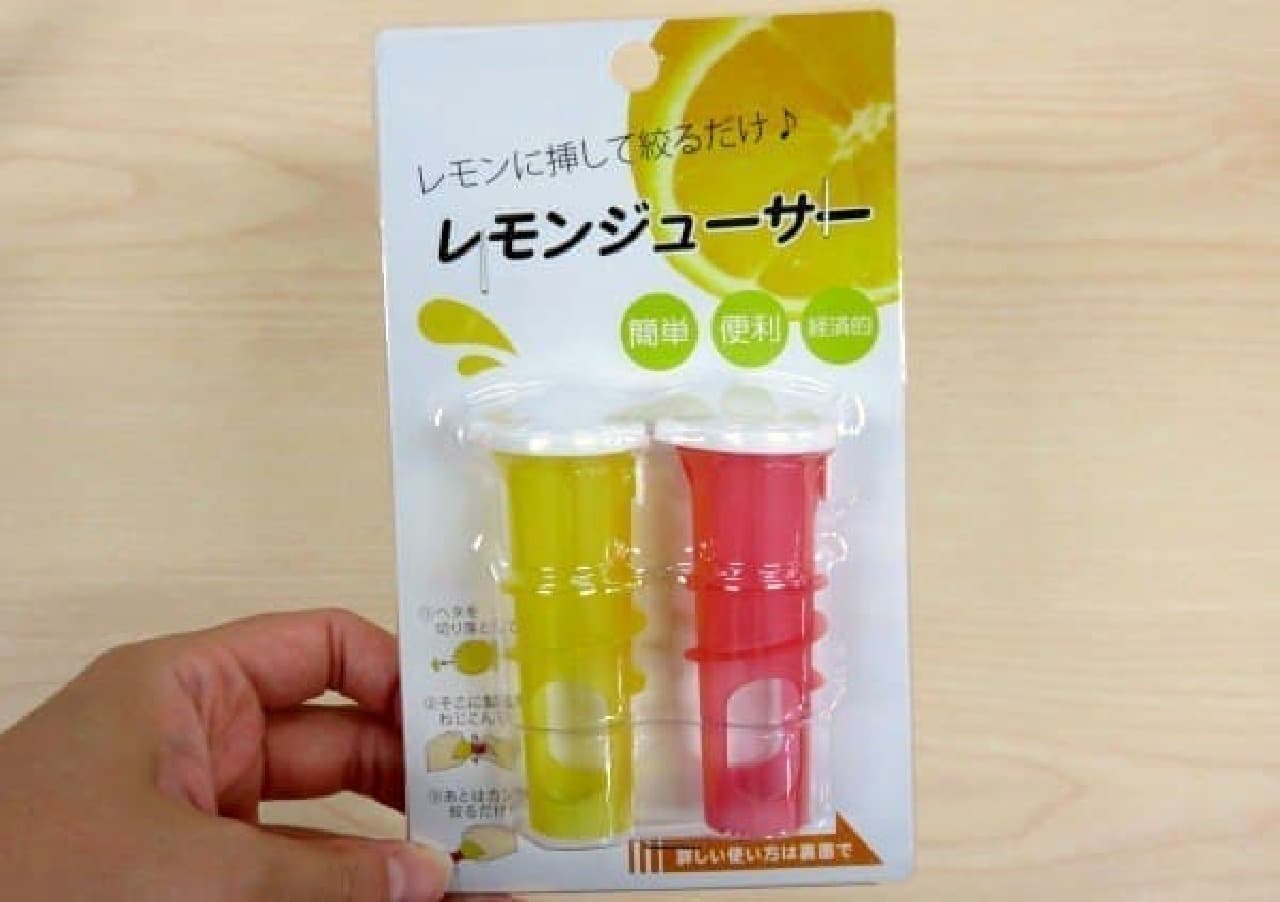
2 lemon juicers
Prepare a lemon and give it a try. First, cut off the calyx of the lemon according to the diameter of the juicer, and insert it while twisting the main body.
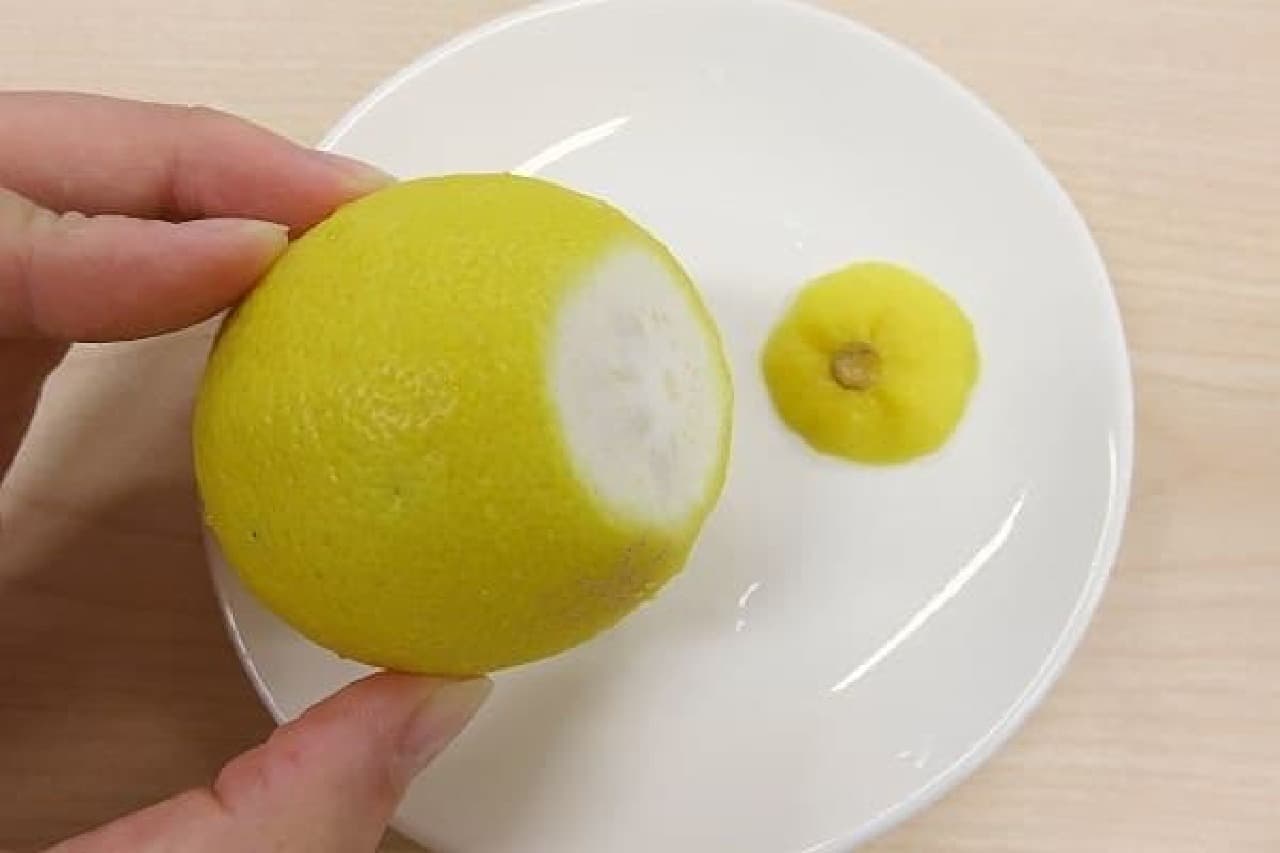
Cut off the calyx
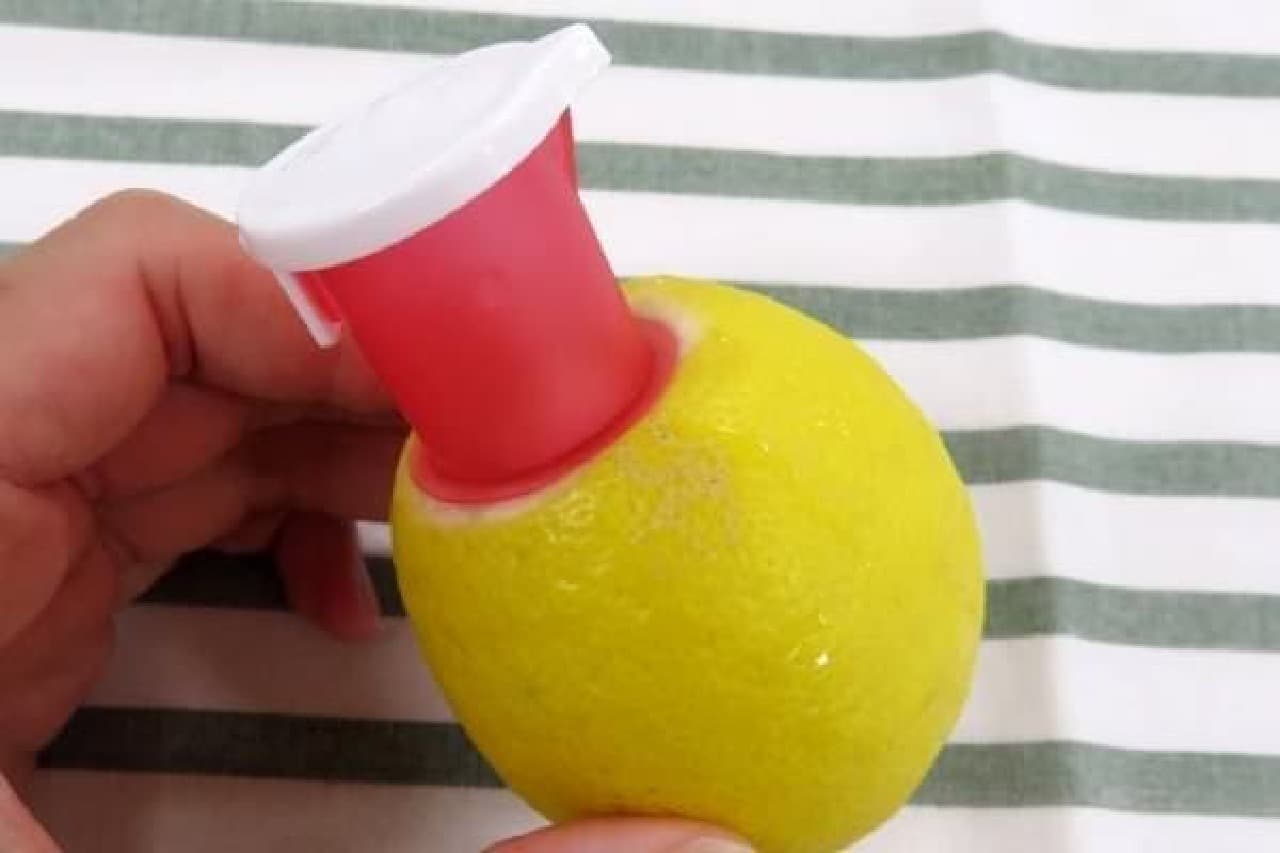
Insert without putting so much force
Juice has already accumulated in the spout when it has been inserted. But it's safe because it has a cap.
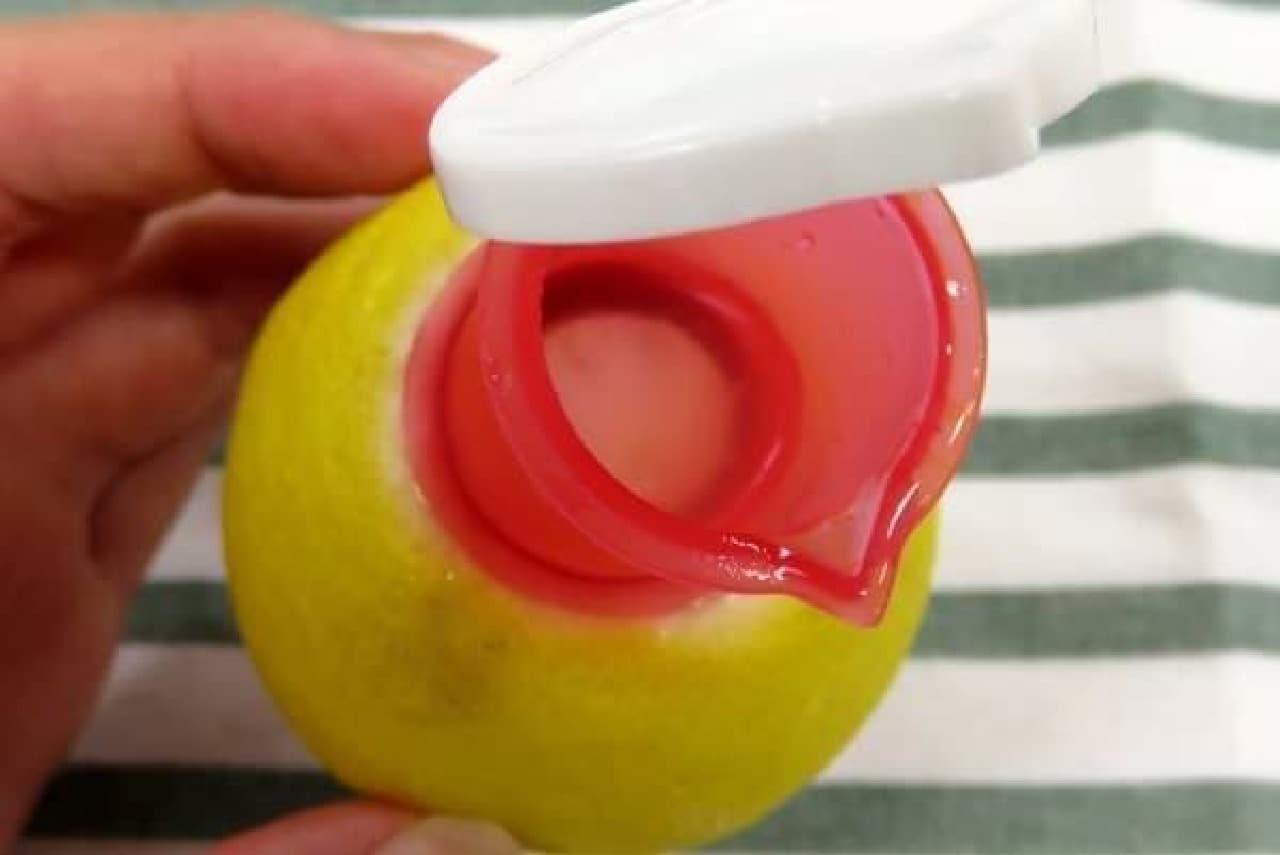
The juice has already accumulated
By lightly rubbing the lemon, the juice will come out more and more. Even after using it for a while, you can save it as it is.
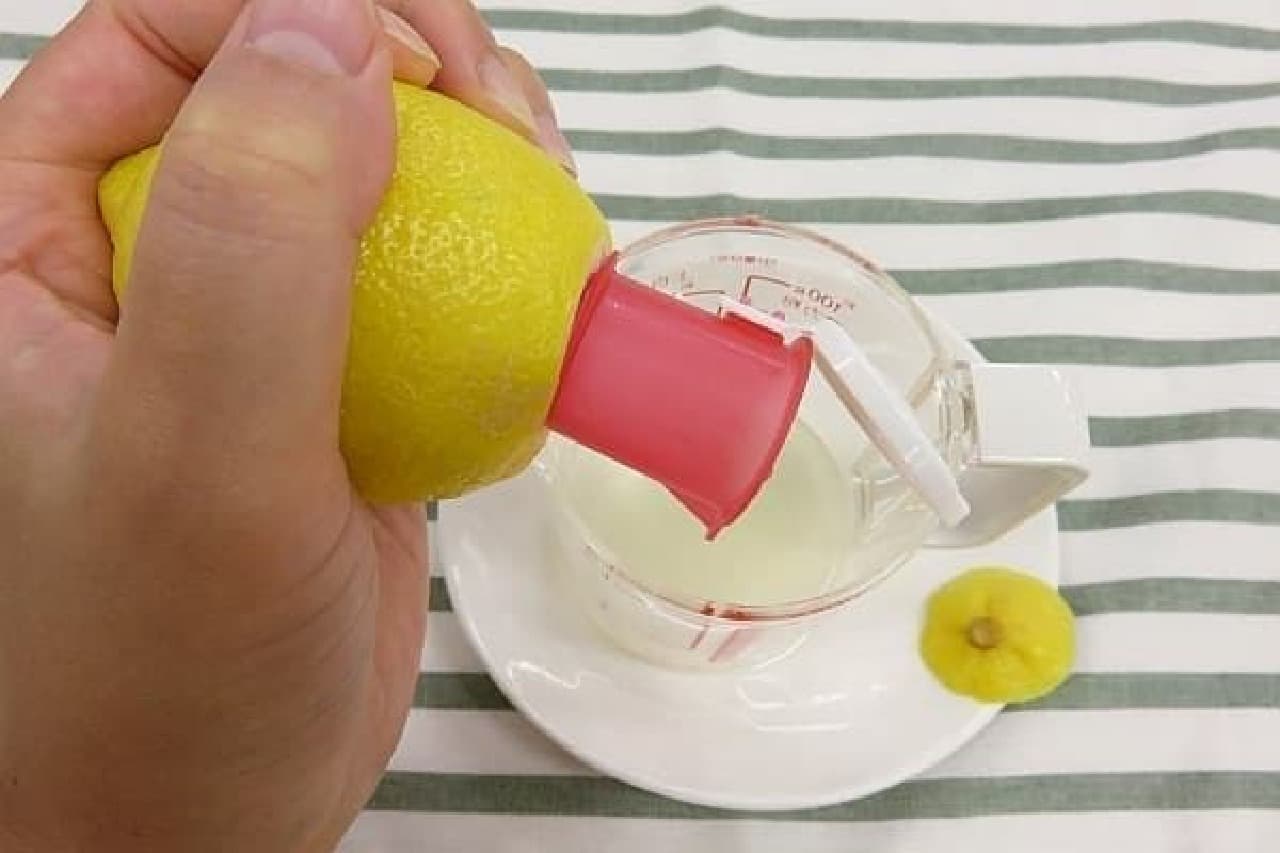
If you lightly rub the lemon, more juice will come out.
Another concern here is the amount of juice that can be squeezed out. It would be a little disappointing if it was significantly less than when it was squeezed by hand. When I squeezed another lemon by hand, it was about 40 ml for both, although there were individual differences, and there was no big difference. If so, this is a pretty handy item.
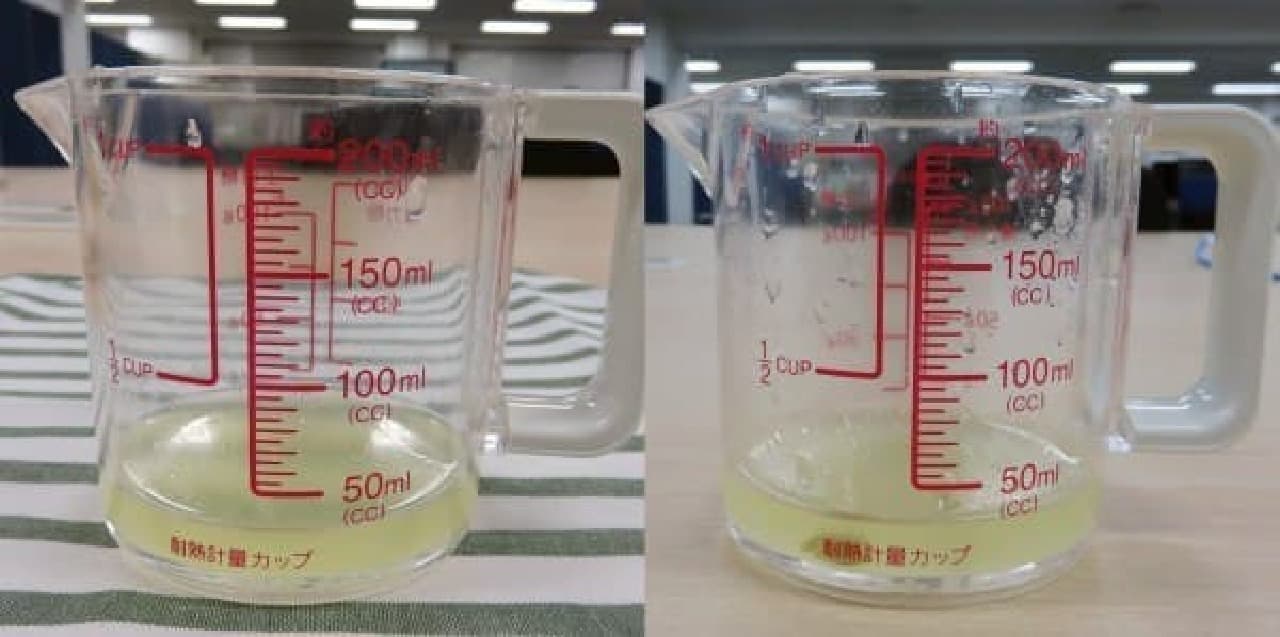
(Left) Lemon juicer used, (Right) Hand squeezed
◆ The powder does not whiten your hands anymore! "Bag cap"
Next, in the case of the recipe "lightly sprinkle 1 tablespoon of cake flour", do you use a spoon or the like to properly remove the flour from the bag? I don't hesitate to sprinkle it directly from the bag because it is troublesome to wash it, and when I close it, I have a 100% chance of spilling it.
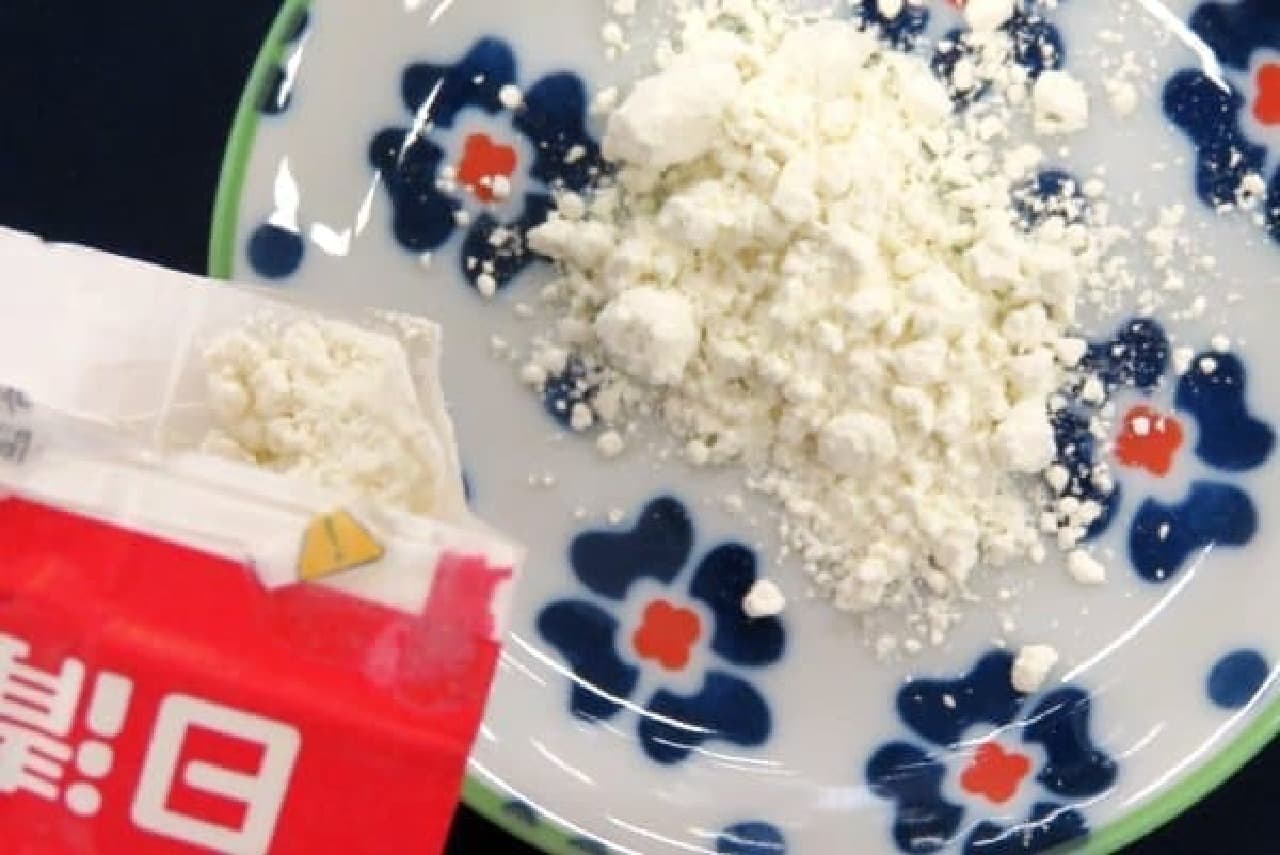
Powder is awkward, isn't it?
Then, the "bag cap" that was also found at the 100-yen shop "Daiso" was introduced. This is a cap that can be attached to a bag of potato starch or wheat flour to make it easier to put out.
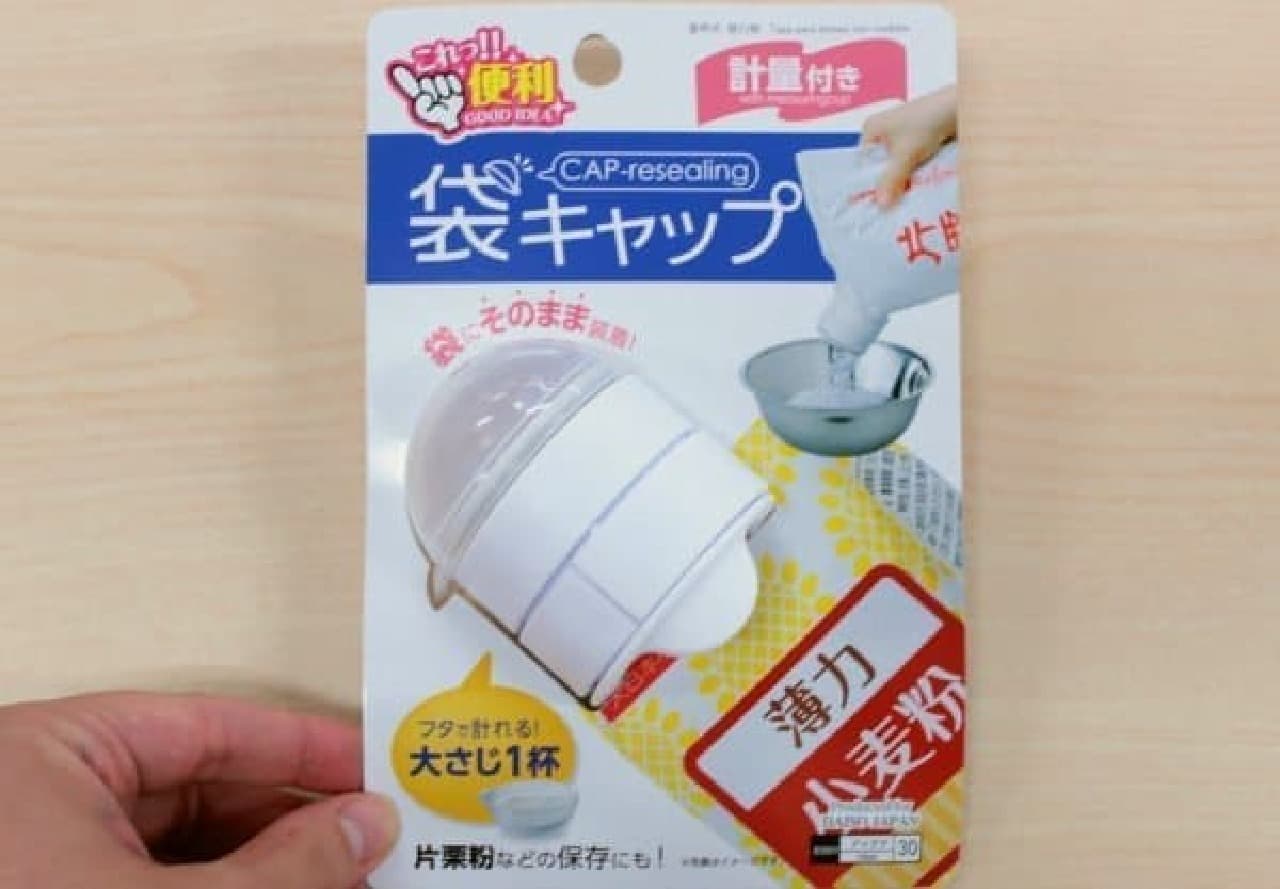
This looks convenient
The cap is made up of four parts, and is assembled by fitting it into a bag that has been cut off diagonally. This time, we prepared cake flour.
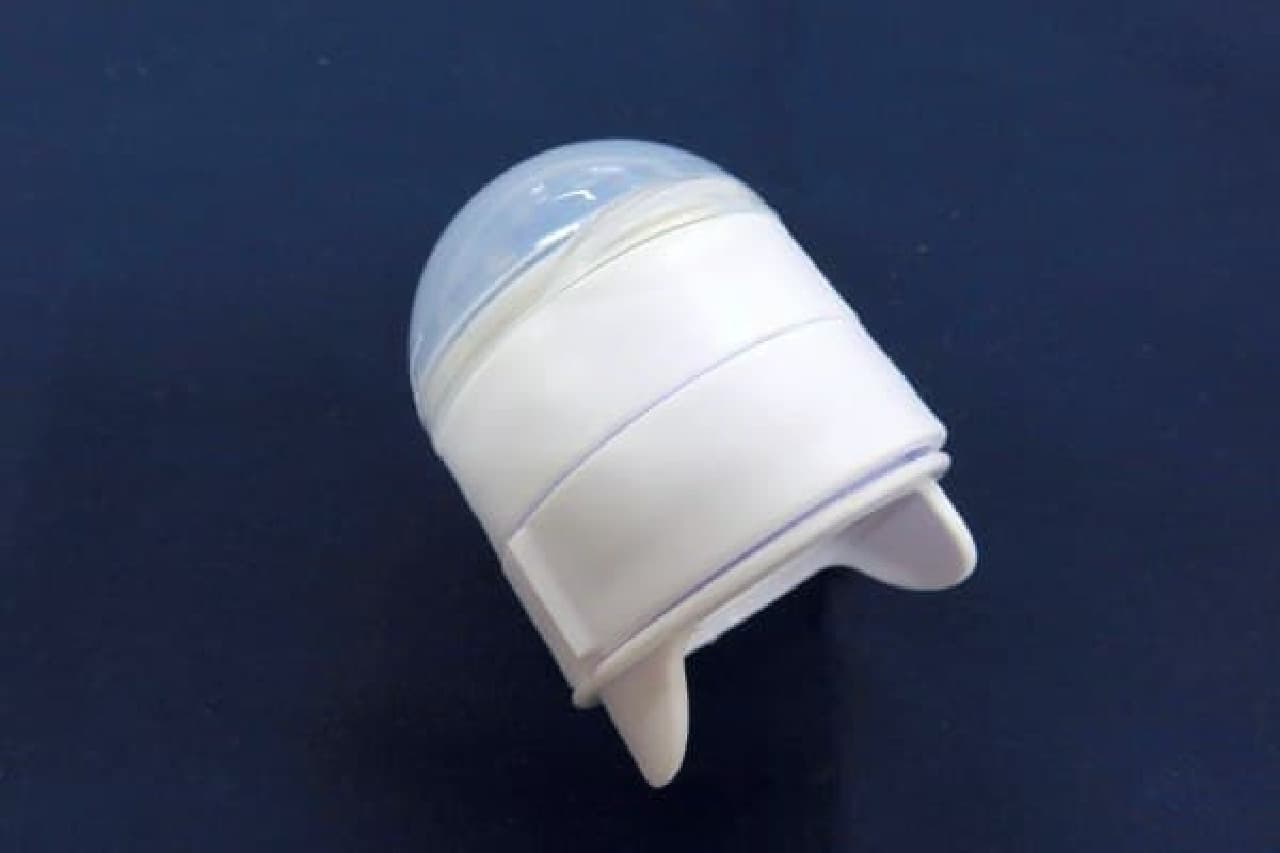
The robot-like cap
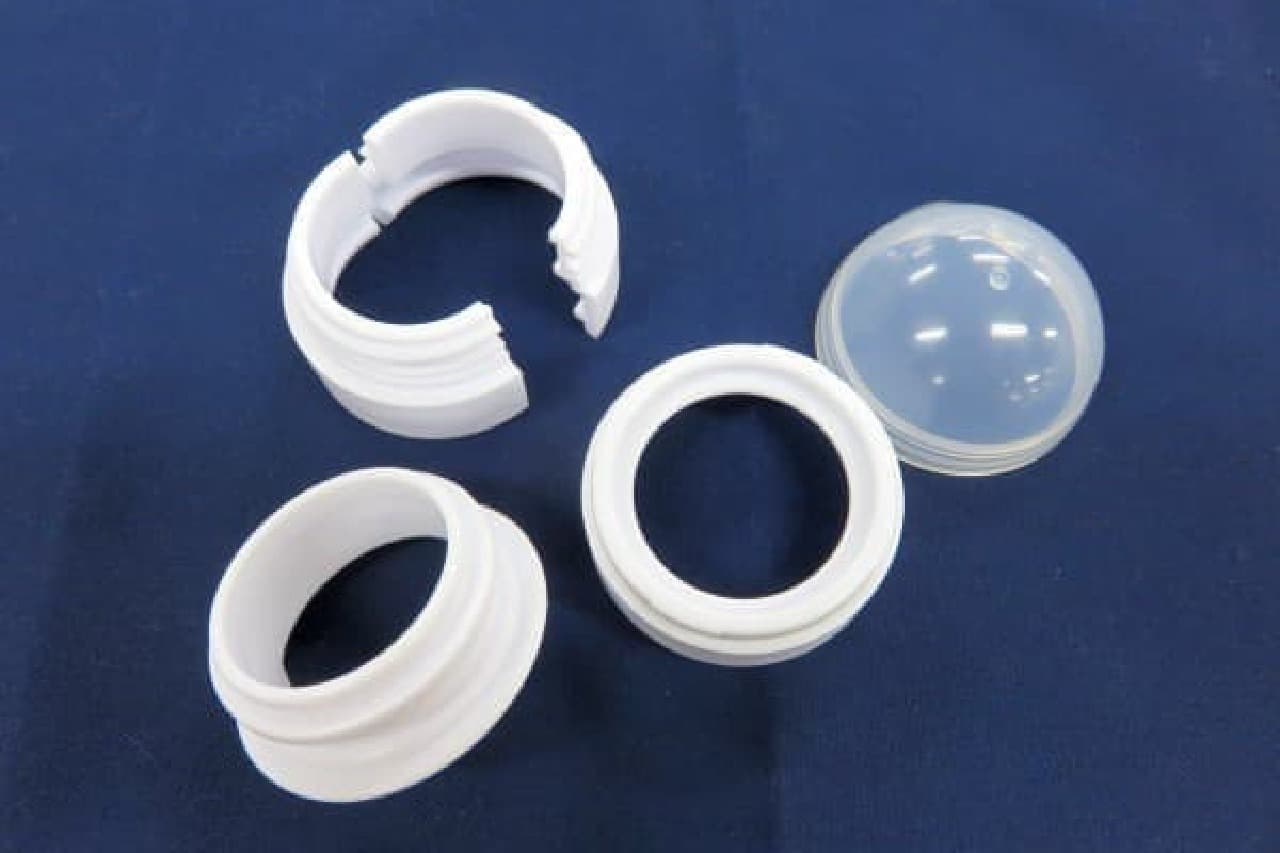
It will be divided into four!
The author, who is both clumsy and clumsy, managed to complete the installation, although he was quite sluggish. When the translucent cap is removed, powder can be discharged from the circular spout.
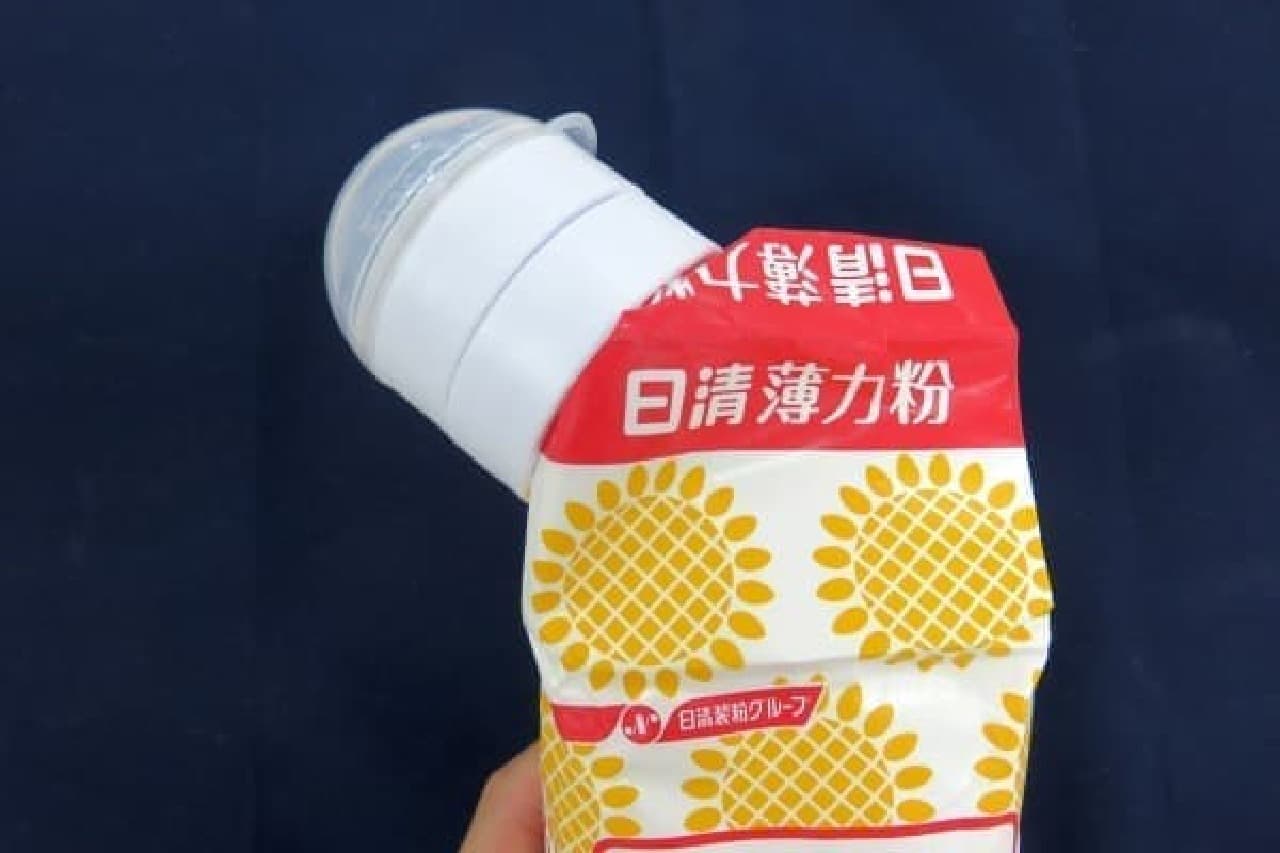
I wonder if this suits me
When you tap the bag, the powder will come out calmly without popping out vigorously. By the way, 1 tablespoon can be weighed in the cap part, but it was put in the cap without spilling.
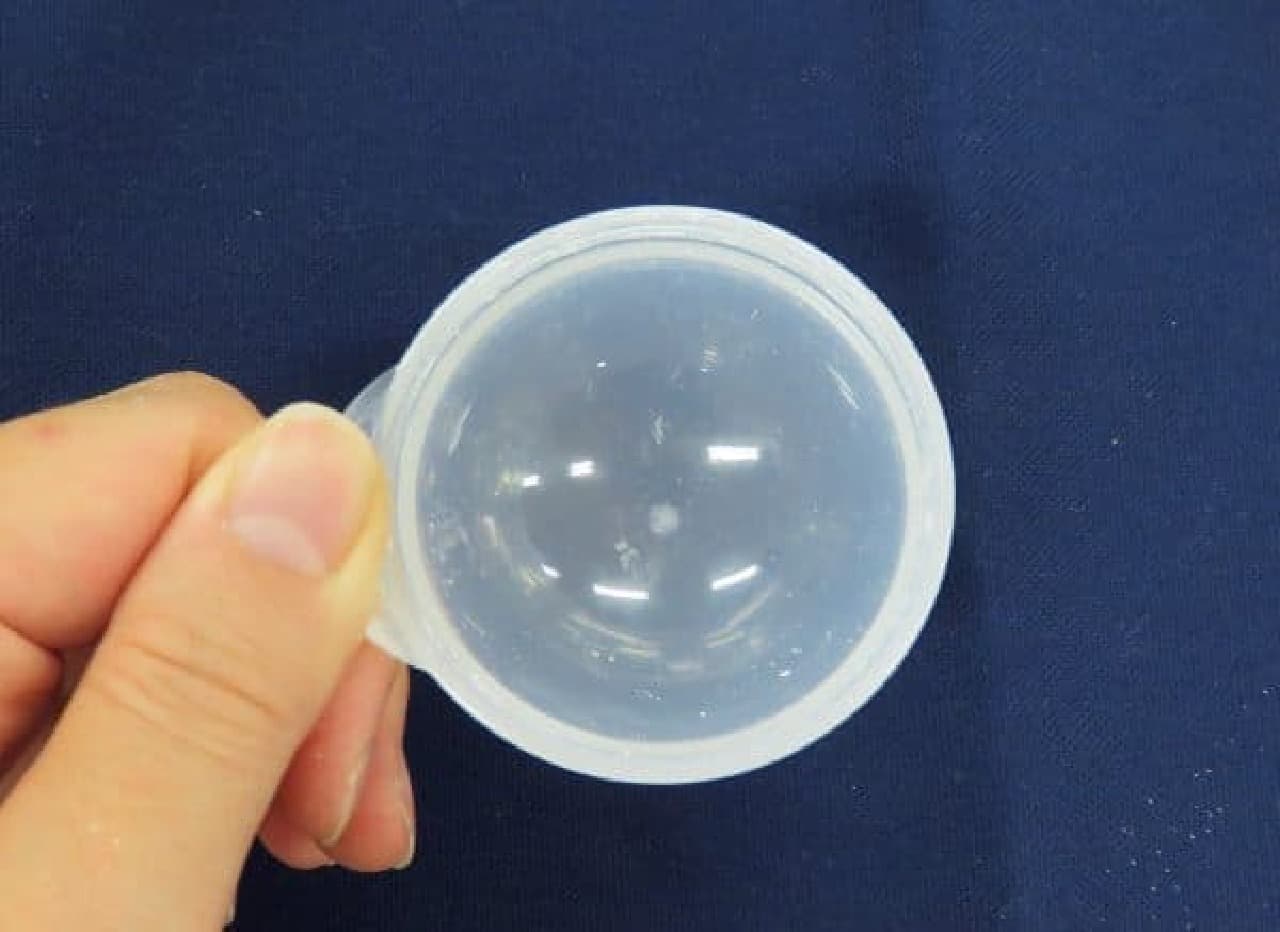
It is also a point that 1 tablespoon can be weighed with a cap
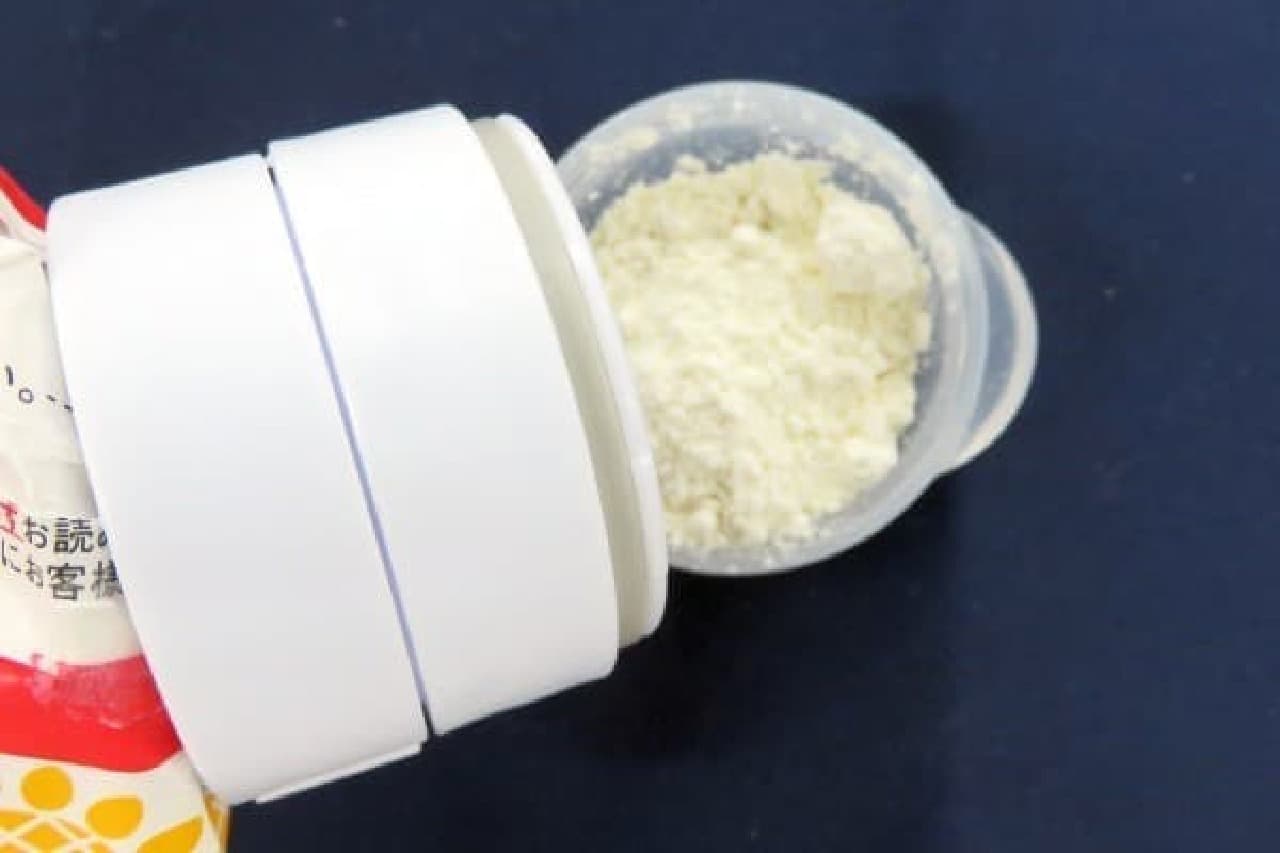
Easy to put out
The installation stage is a little troublesome, but once you do your best, it may not be a pain if you think that a comfortable flour life is waiting. Above all, I'm happy to think that the table and hands will not turn white anymore.
◆ Excellent vegetable chopsticks that allow you to taste the soup
When the food is nearing completion, "tasting" is important at the end. As expected, the author does not omit tasting, but it is too troublesome to taste elegantly with a white small plate and a ladle. However, it is not well-behaved to taste it directly from the ladle (it is hot above all). In such a case, this vegetable chopstick will be useful.
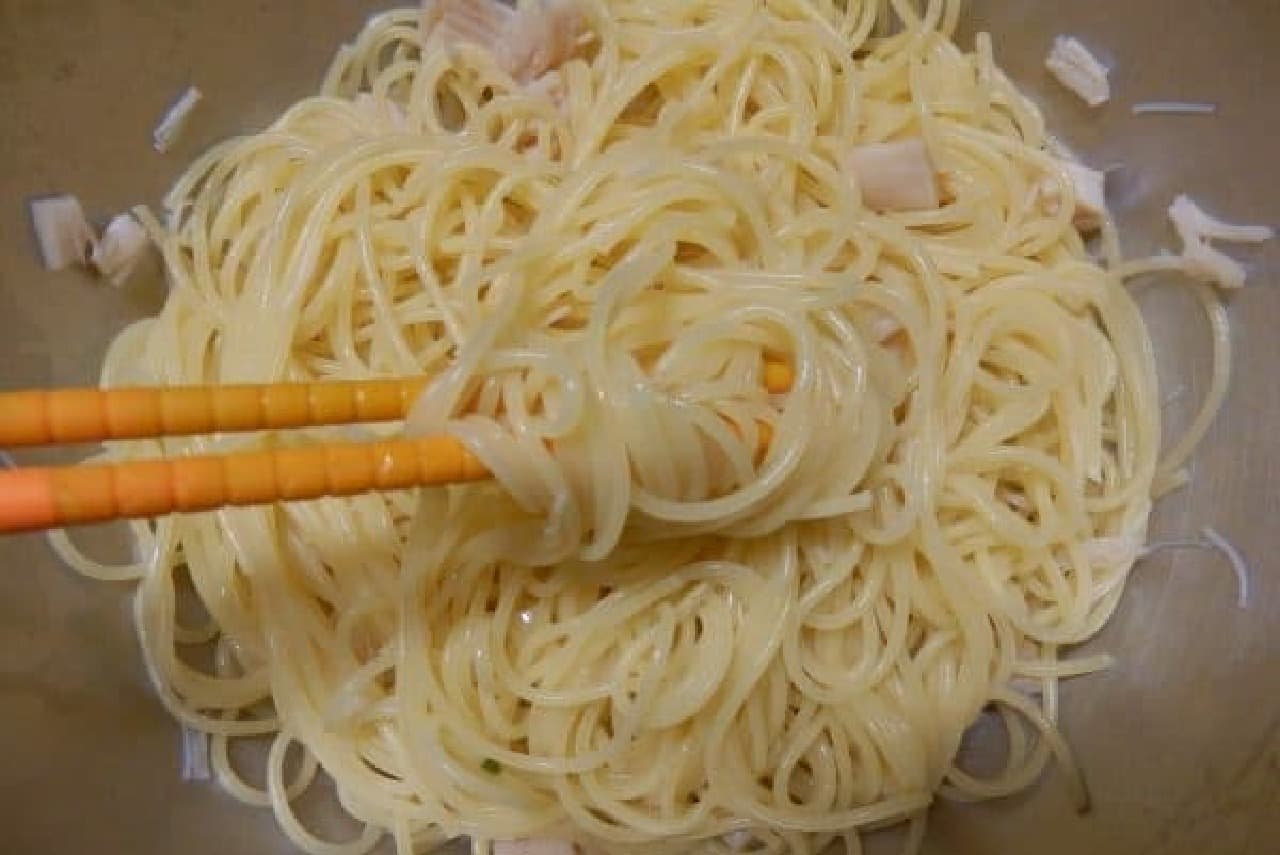
At first glance it looks like ordinary vegetable chopsticks ...
Lastly, I would like to introduce "COLORED Silicone Chopsticks (with spoon function)" found at the 300 yen shop "3COINS". It is an easy-to-use vegetable chopstick made of silicon that is easy to hold and does not slip easily.
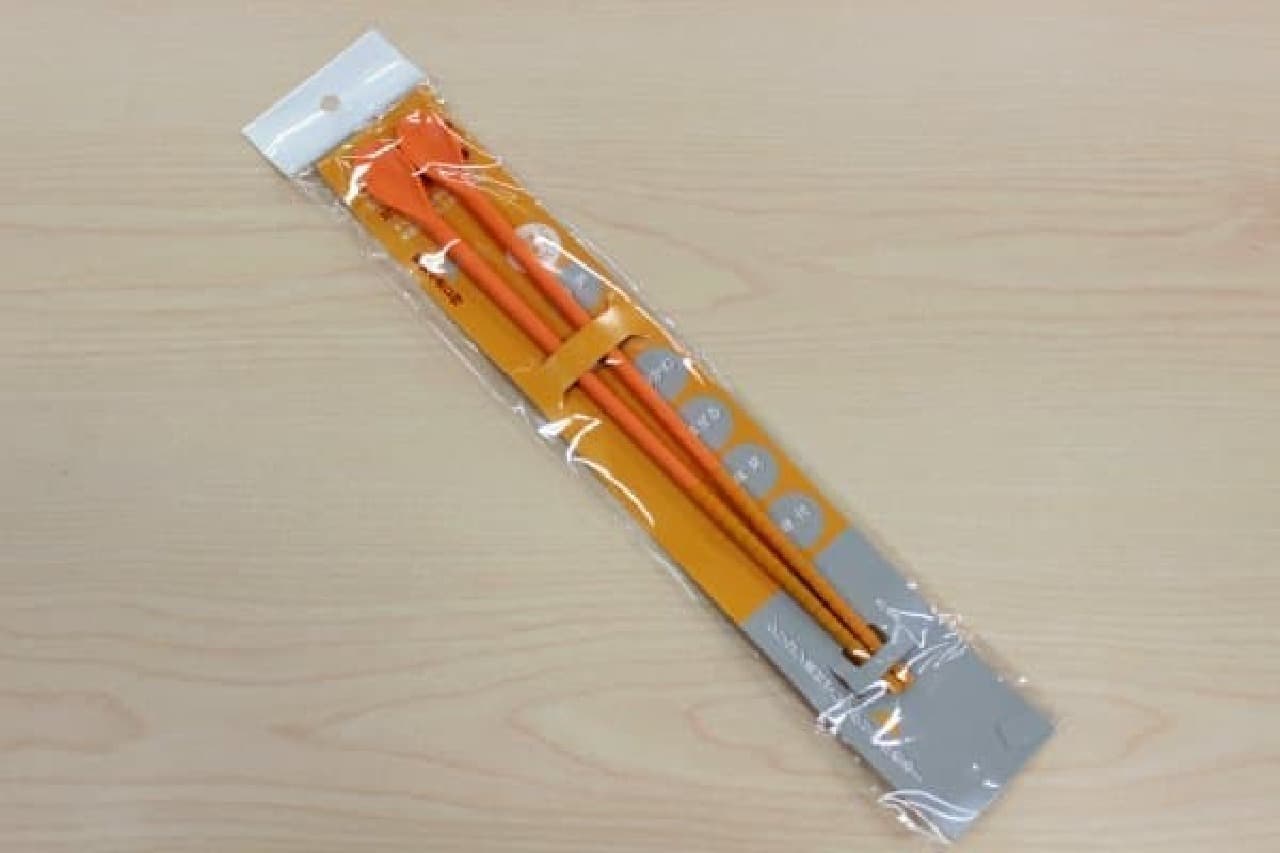
The pop color is also cute
The best point is that there is a small spoon on the butt. You can taste it with one spoon and add a little salt with the other. Only with chopsticks, this must catch the hearts of housewives. What a terrifying child ...
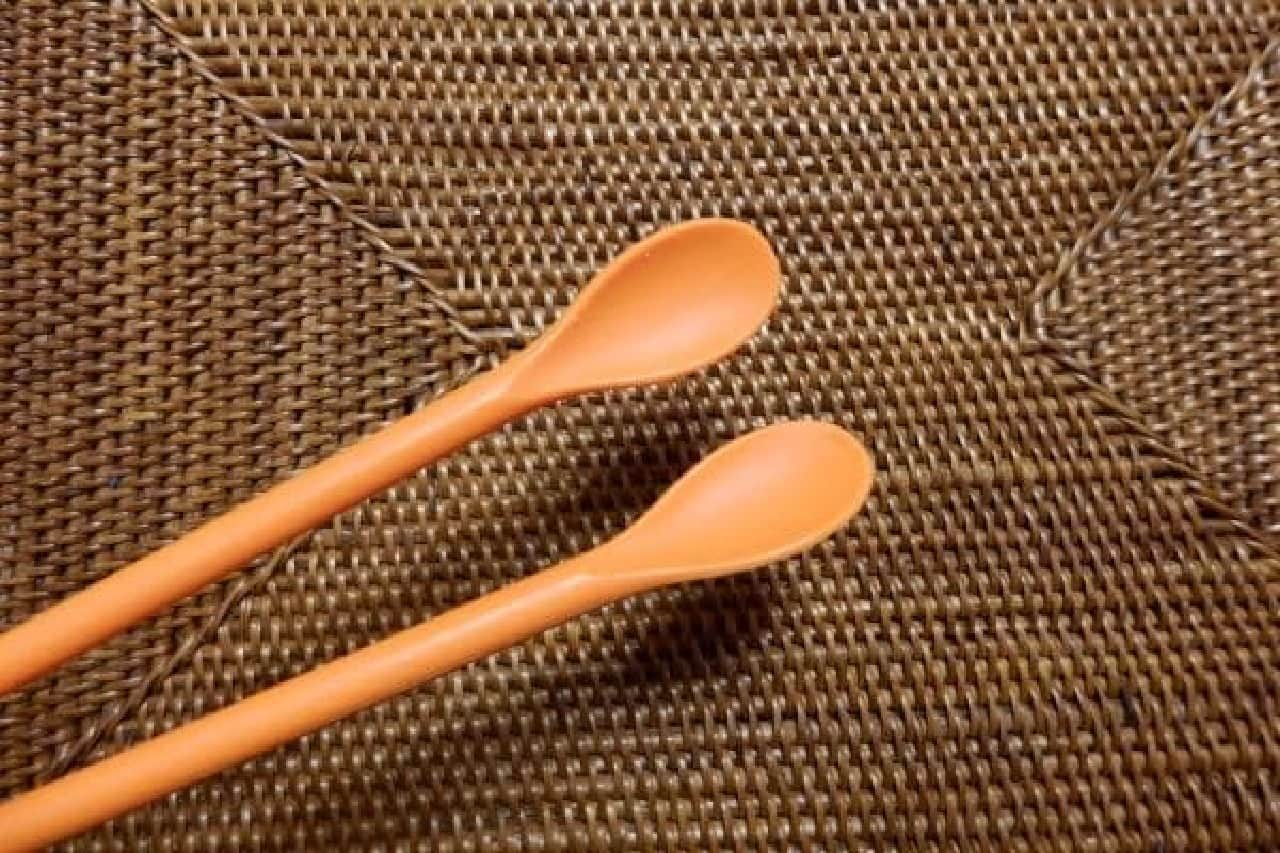
A small spoon on the other side!
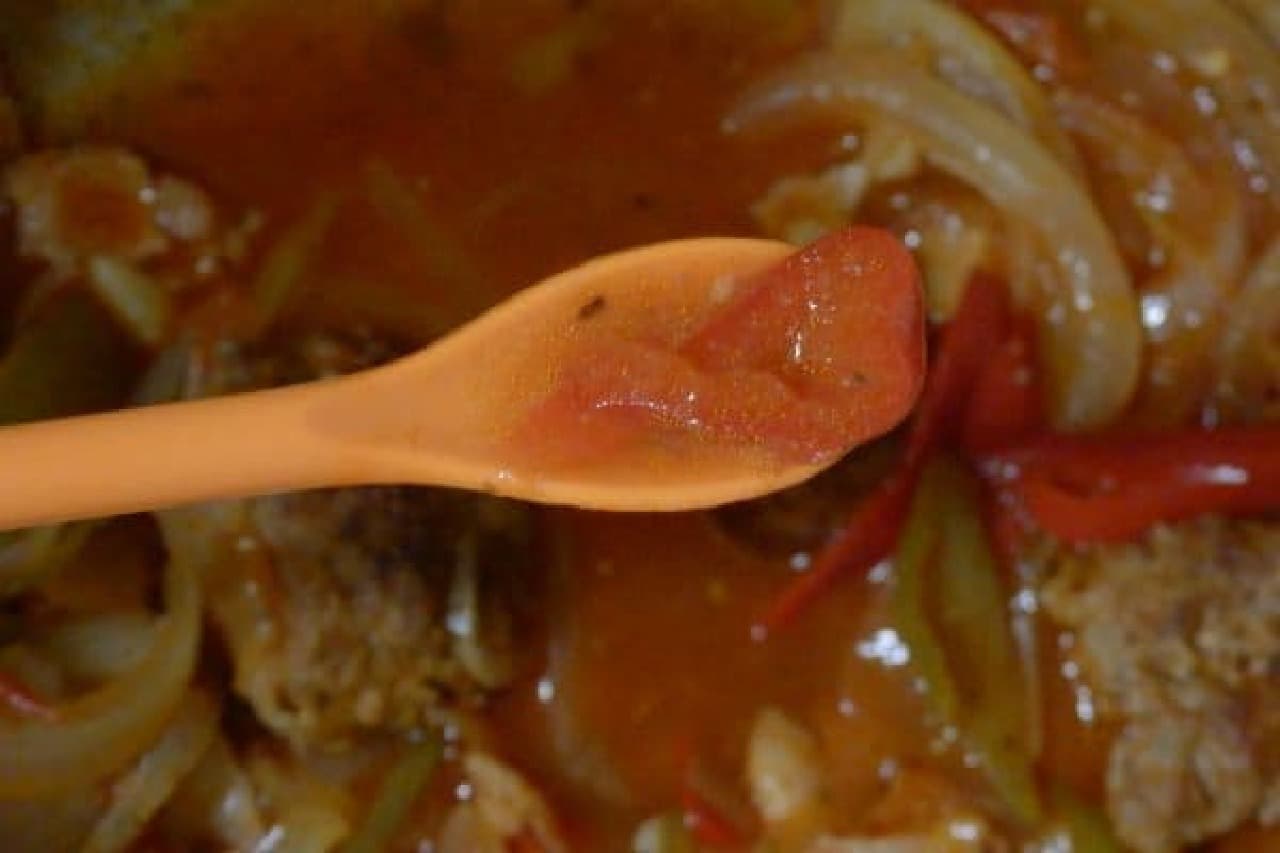
Convenient for tasting and adding a little seasoning!
Cheap and convenient kitchen goods are being produced every day in order to make daily cooking more efficient. The crazy writer also likes cooking, so I decided to continue to discover more and more products.


![3COINS] For 300-500 yen, you can reduce the burden of cooking! Introducing kitchen items selected by the editor who is not a good cook.](https://image.enuchi.jp/upload/articles/14125/ae4b28ba80ff52738fc790f27883d985_special.jpg)