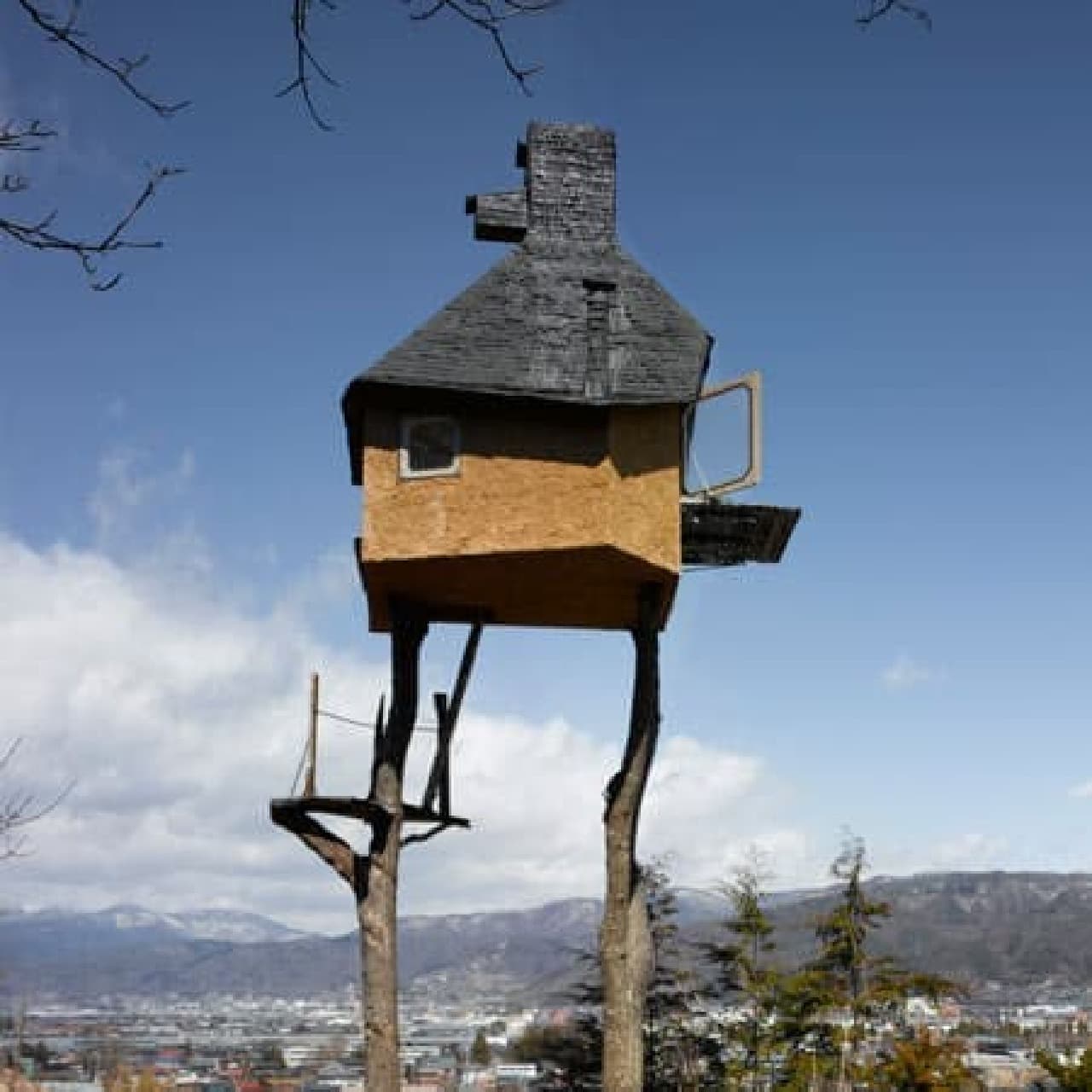
The world's most dangerous tea room "Takasugi-an" Kitaro seems to live?
The most dangerous in this ranking is the Italian "Leaning Tower of Pisa". In addition, Germany's "Leaning Tower of Suurhusen" is also ranked. The reason these buildings were selected in the Top 10 is that they were unexpectedly tilted significantly after or during construction.
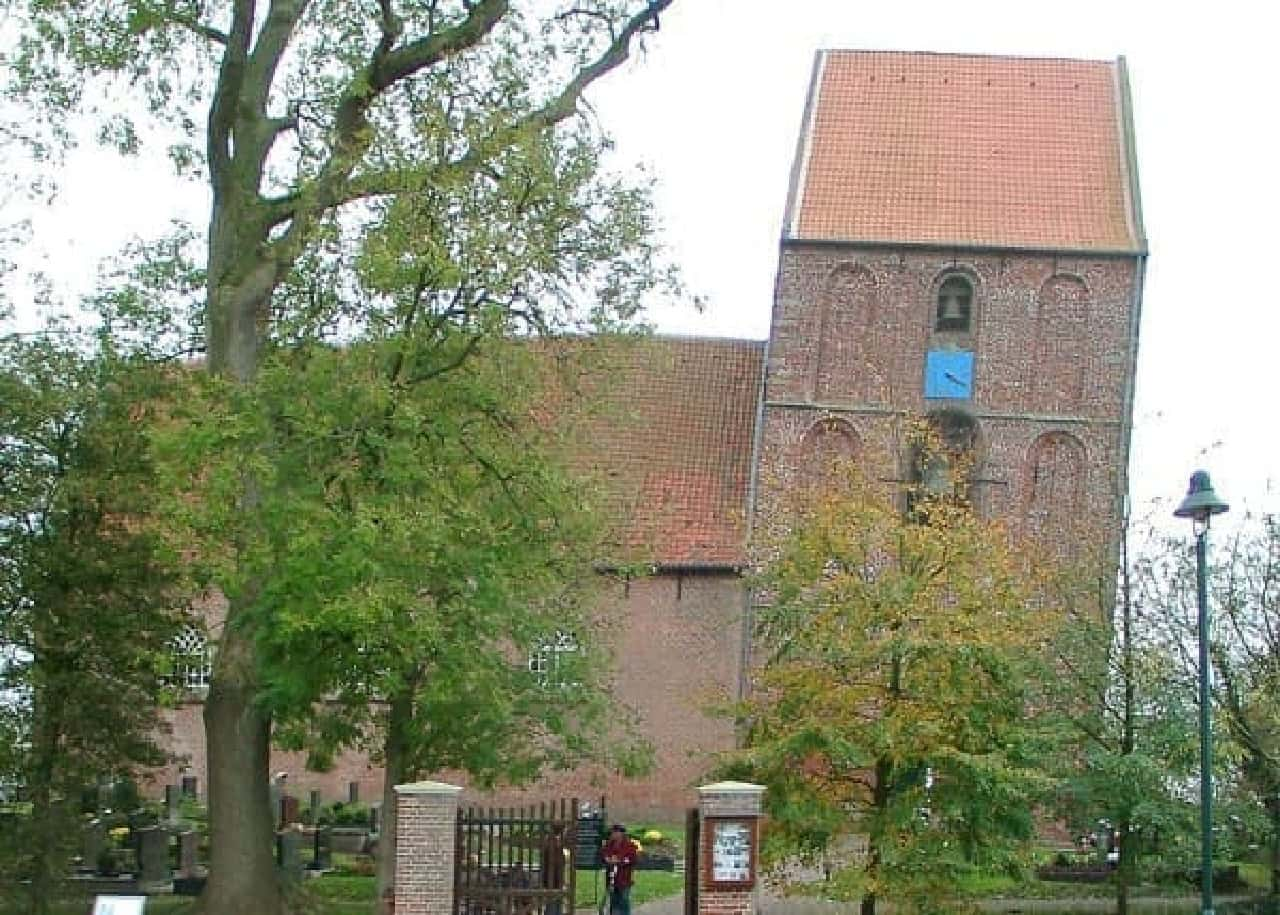
Leaning Tower of Suurhusen, Germany What did you make a mistake? (Image source: Wikipedia)
However, the reason why Takasugi-an was chosen is not an architectural flaw.
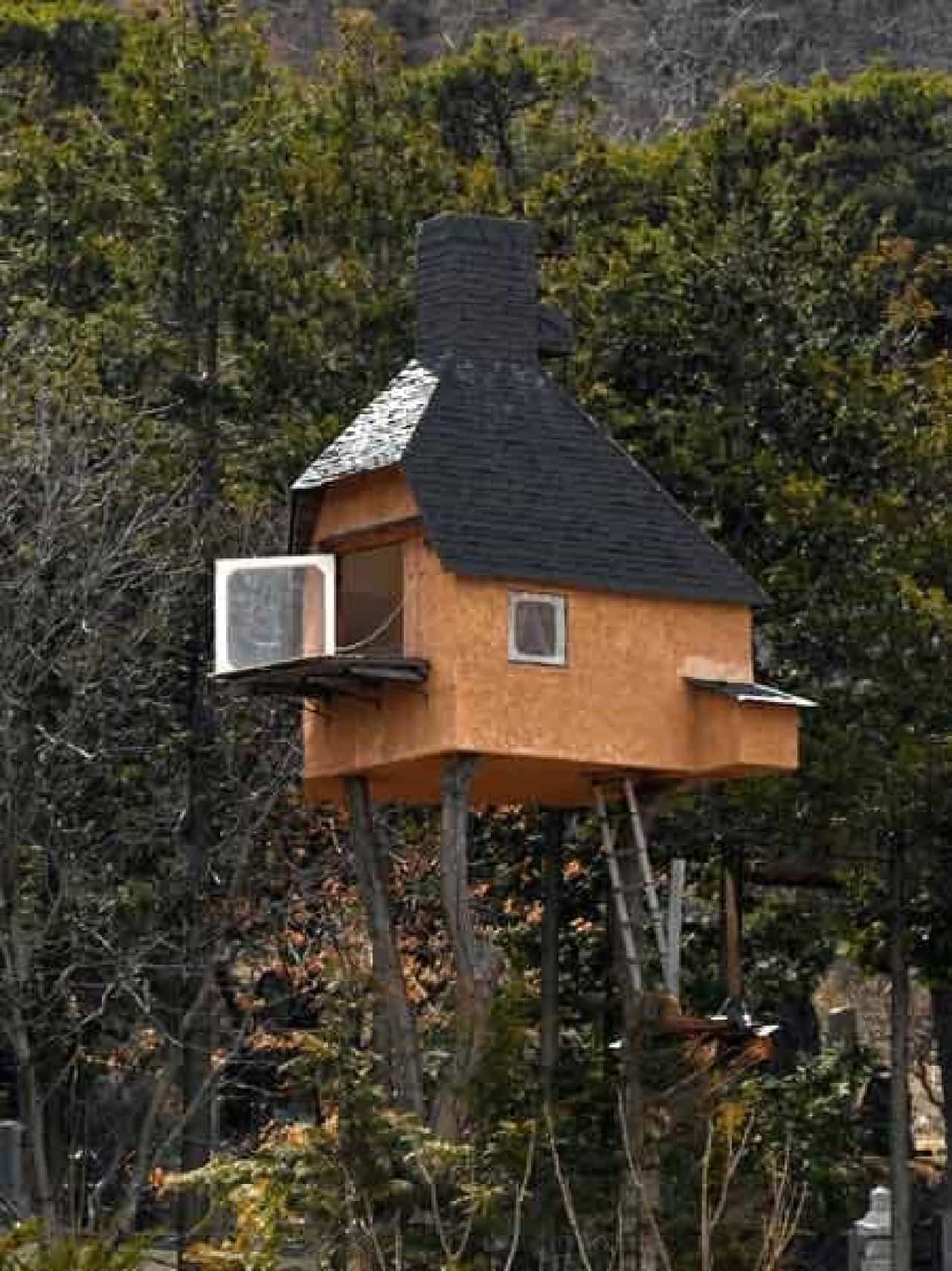
Takasugi-an is a tea room built on two chestnut trees. The height is about 6 meters above the ground. Due to its apparent instability, it seems to have been selected in the top 10 of the ranking.
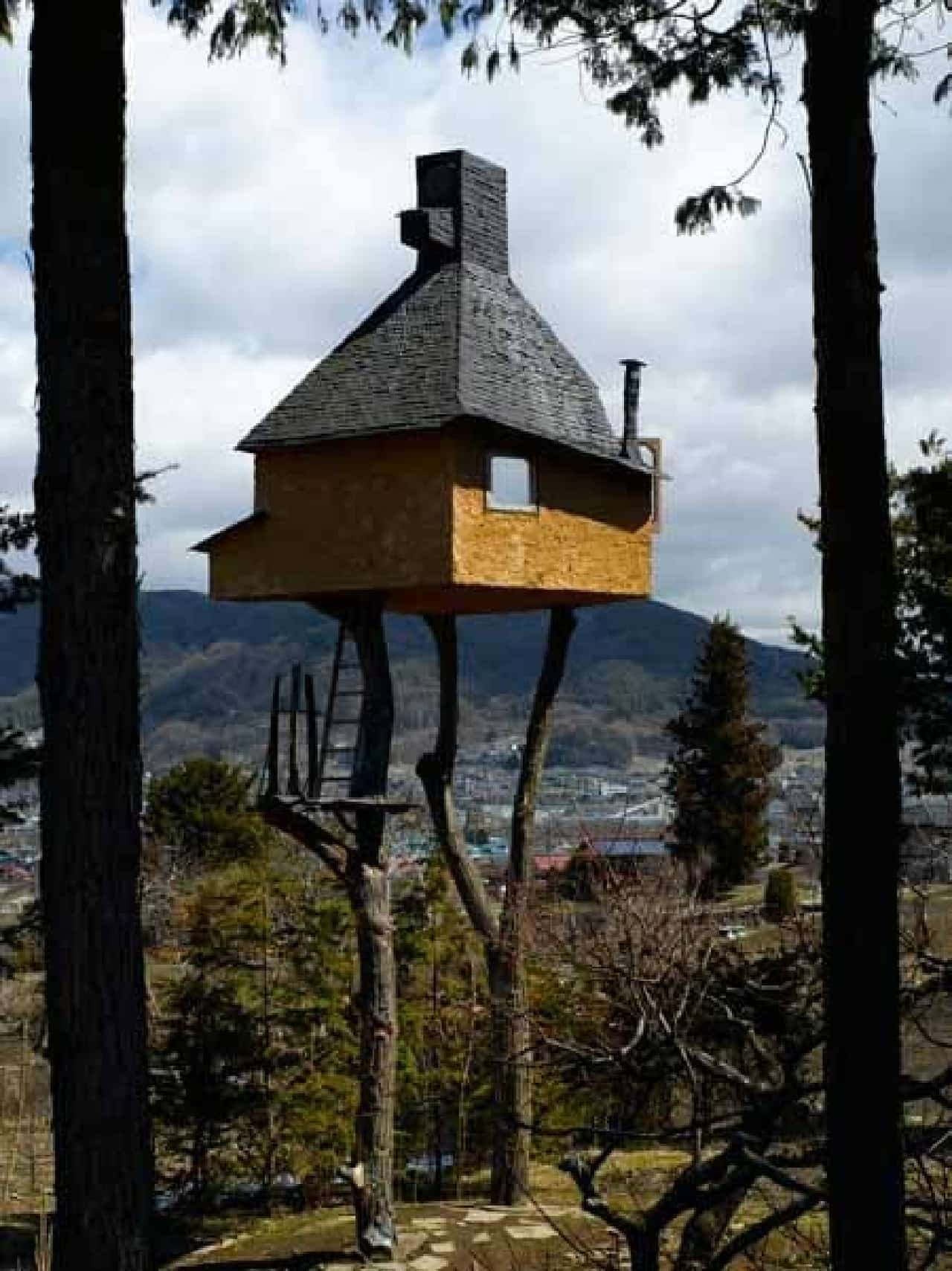
The height of Takasugi-an is about 6 meters above the ground, and it is supported by two trees ... Somehow Snufkin seems to live there too? ??
To enter the tea room, set up a ladder and climb up to the landing on the way. There, they take off their shoes and climb the permanent (?) Ladder to enter the tea room. If the ladder is removed, no one in the tea room can get off. In the first place, the structure is such that people who cannot climb the ladder cannot even enter the tea room. By the way, it seems that the name "Takasugi-an" was given because it is "too expensive" as a place where a tea room should exist.
The road to tea is tough!
Takasugi-an is located in Chino City, Nagano Prefecture. It is built in the field (private land) of Mr. Terunobu Fujimori near the Jinchōkan Moriya Historical Museum. It's not open to the public, so you can't go inside. Let's sneak a view from outside the private land.
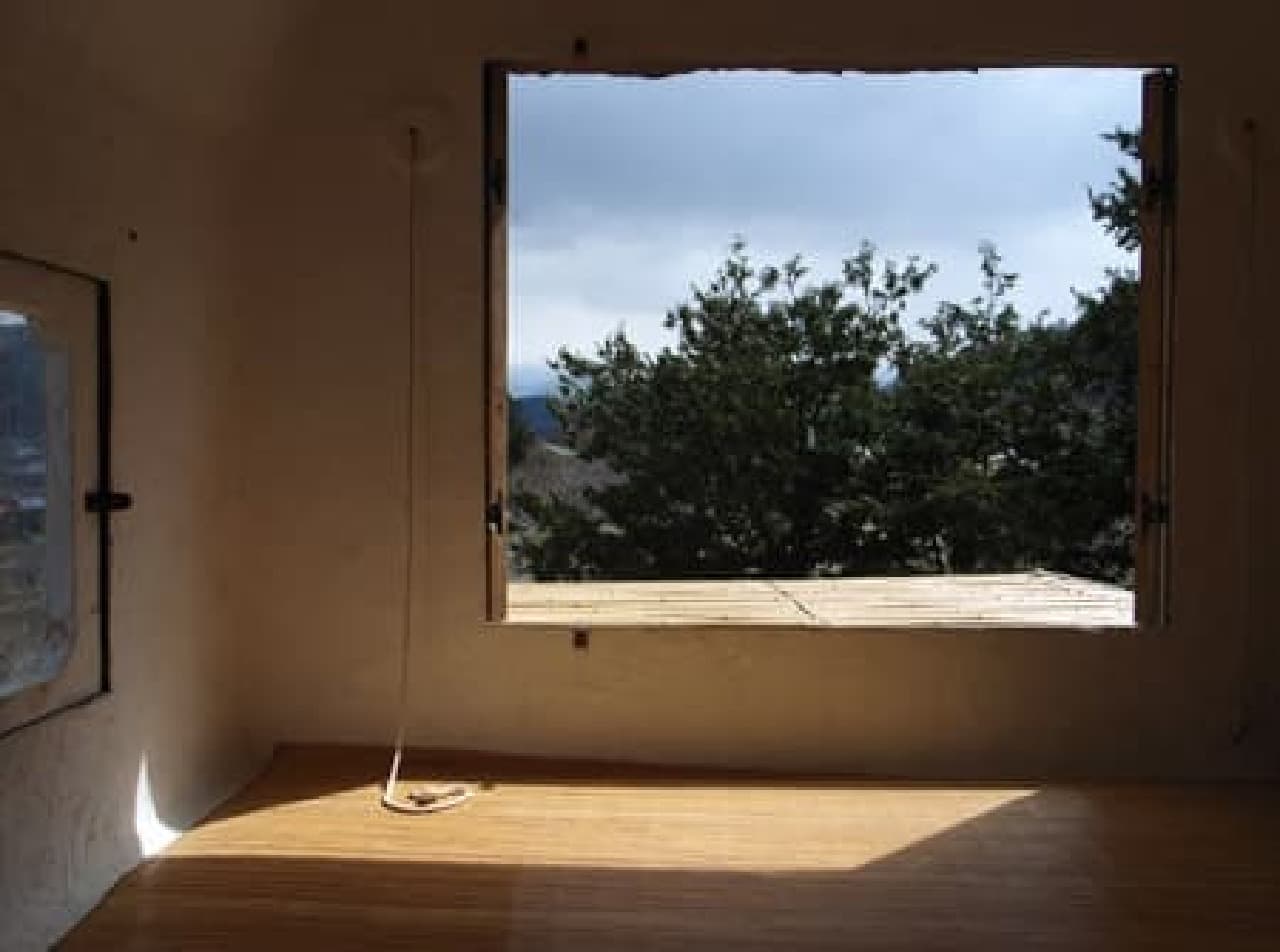
Scenery seen from the tea room
(Image source: Edmund Sumner)