
By the way, what are you doing while boiling somen? Most people are staring at the pot? However, the author, who is not good at waiting, can't stand even one minute, and often inadvertently takes his eyes off when cutting the condiments or putting out the soup, and the boiled juice spills out.
Since it is an annual event, it was reopened in the middle, but the other day I was searching for somen recipes and found a product called "Stainless Nabezoko-kun". I bought it immediately, thinking that it would solve my long-standing problems.
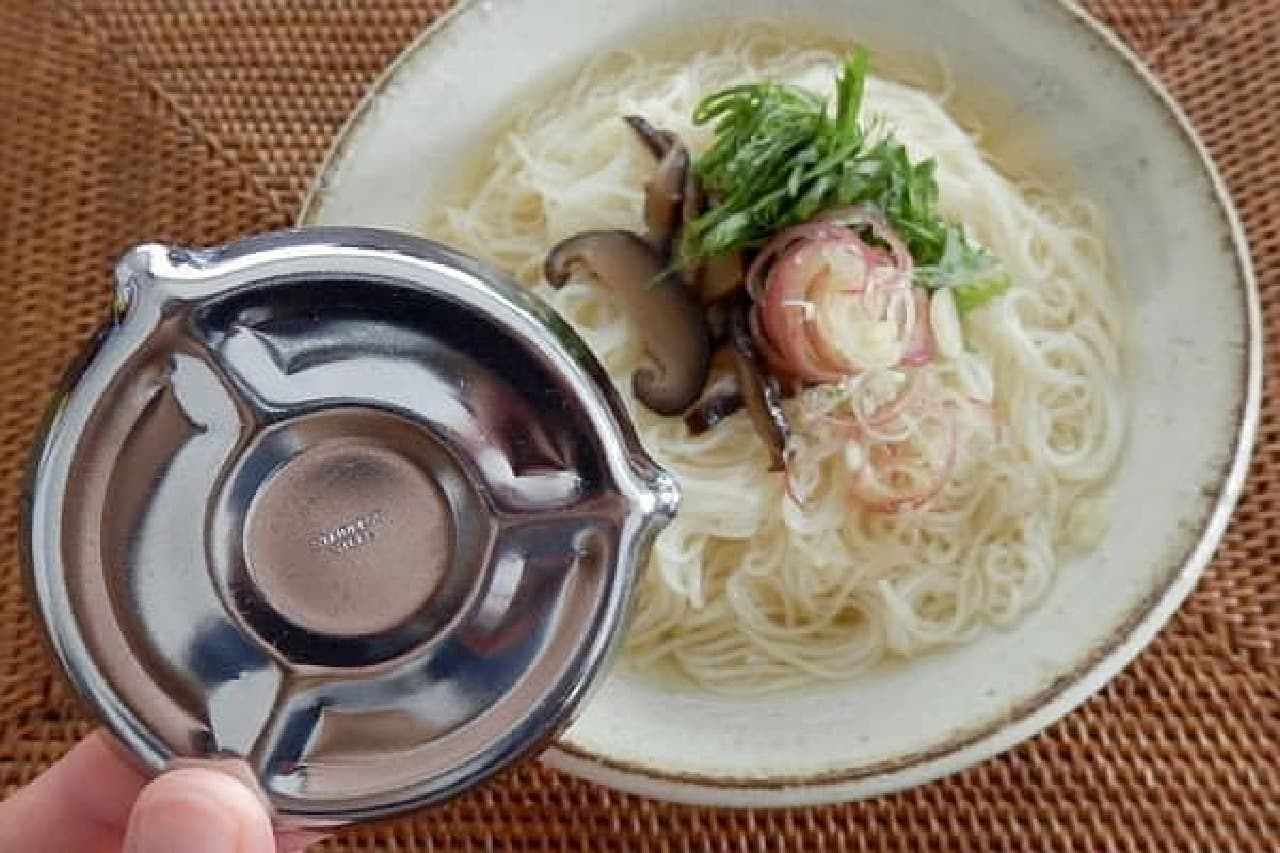
A pot life saver appears !?
This product sold by Pearl Metal is a convenient product that makes it difficult for the boiled juice to boil when boiling noodles. It is a stainless steel plate with a diameter of about 8.5 cm and a thickness of about 1 cm, and the price is 541 yen (excluding tax).
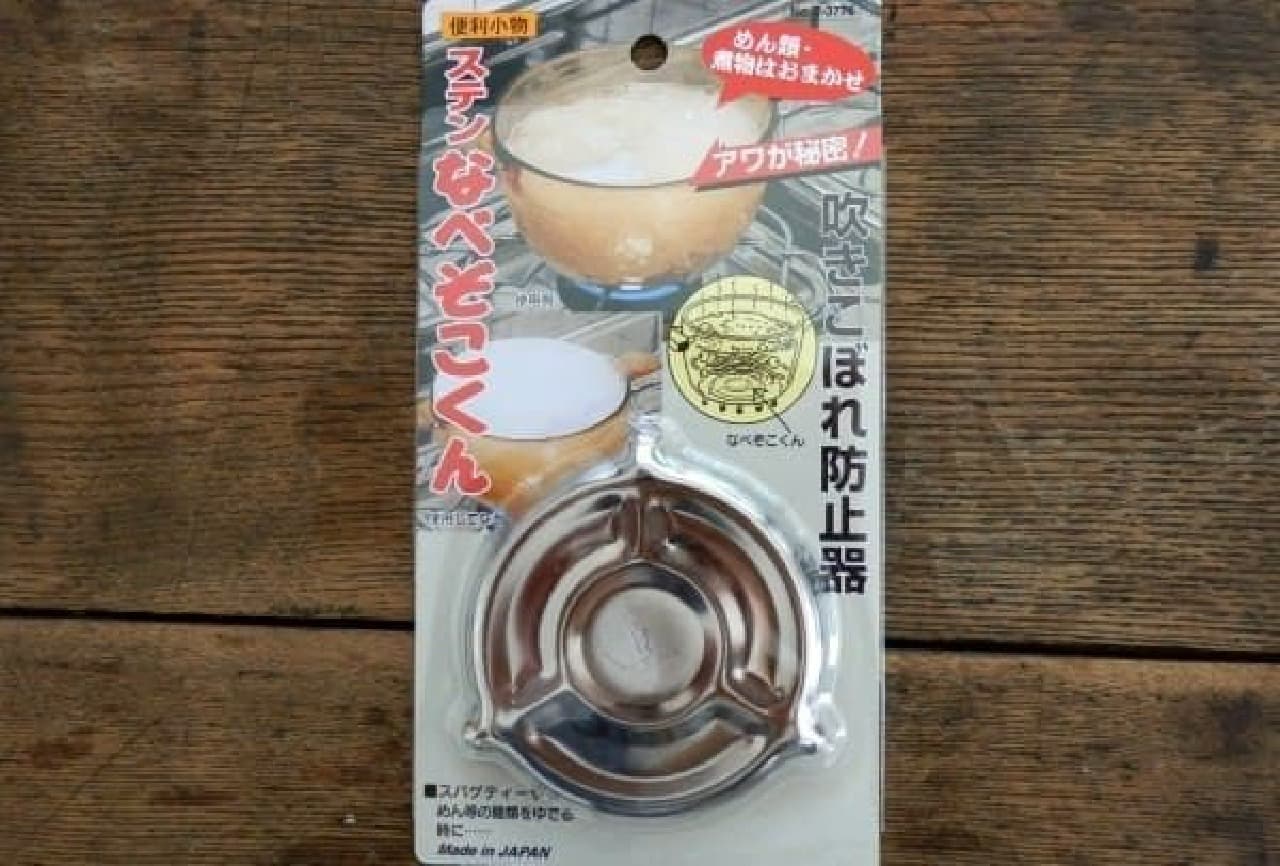
A seemingly ordinary metal plate
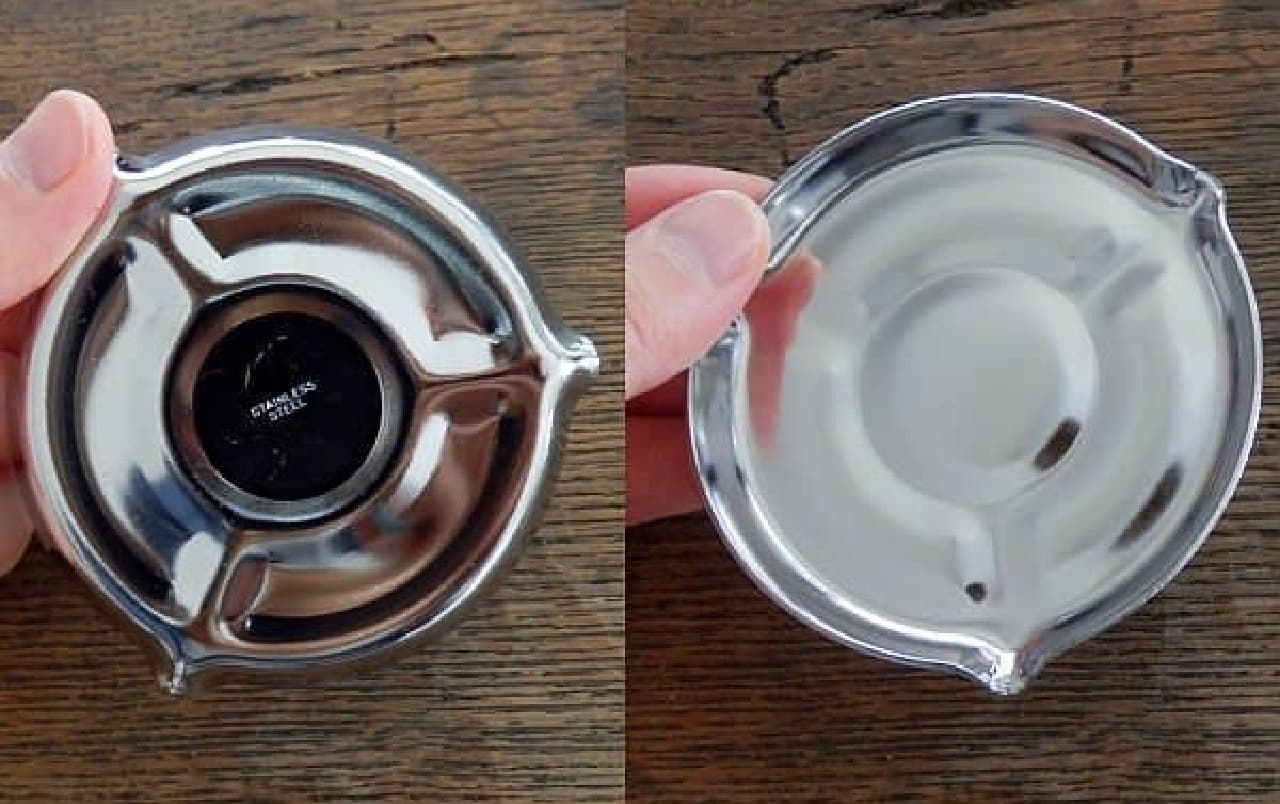
Like an ashtray
To use it, just immerse it in the bottom of the pot with the convex surface facing up. Boiling began to vibrate make a begins and suddenly the bottom of the pan-kun "Katakatakata ..." the sound, the pot will come bubbling as large as Bokkobokko.
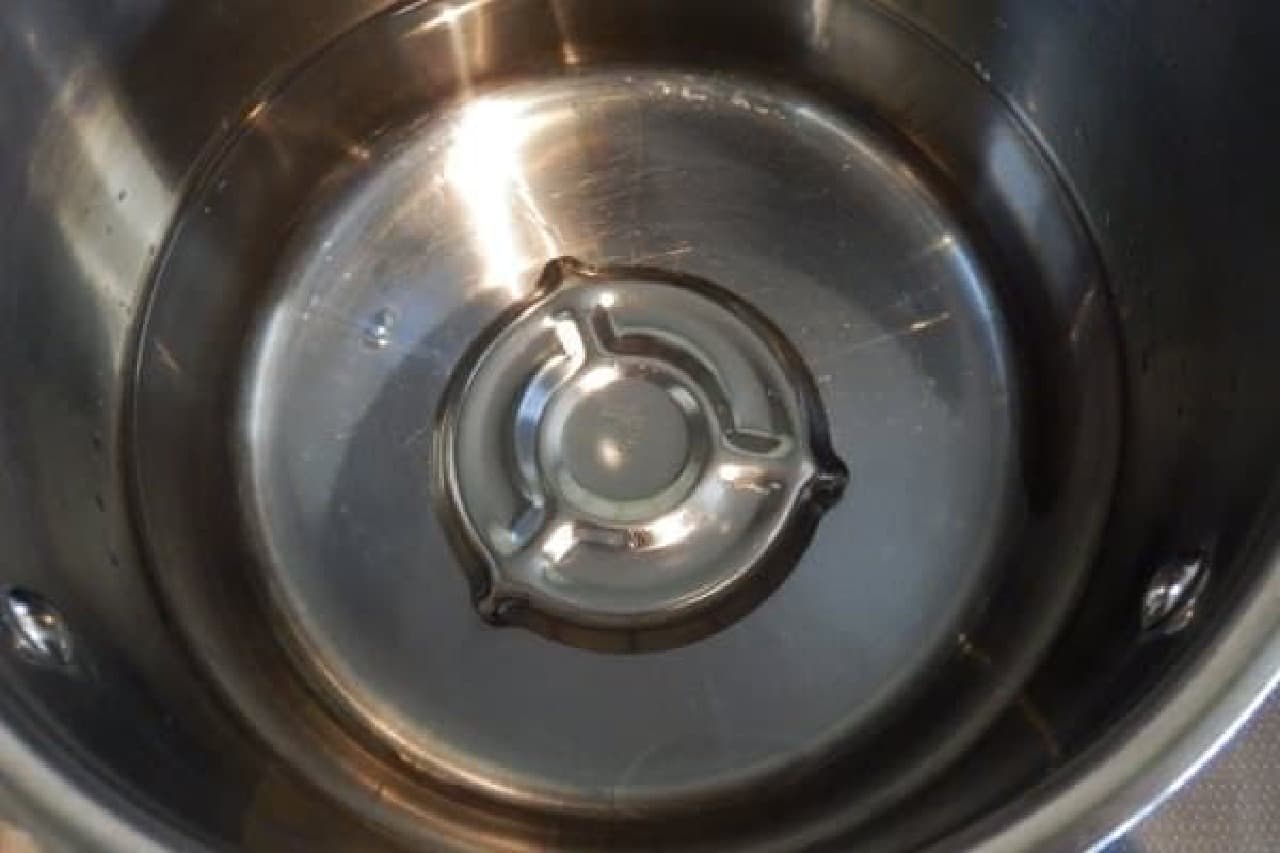
From the bottom of a dark pot ...
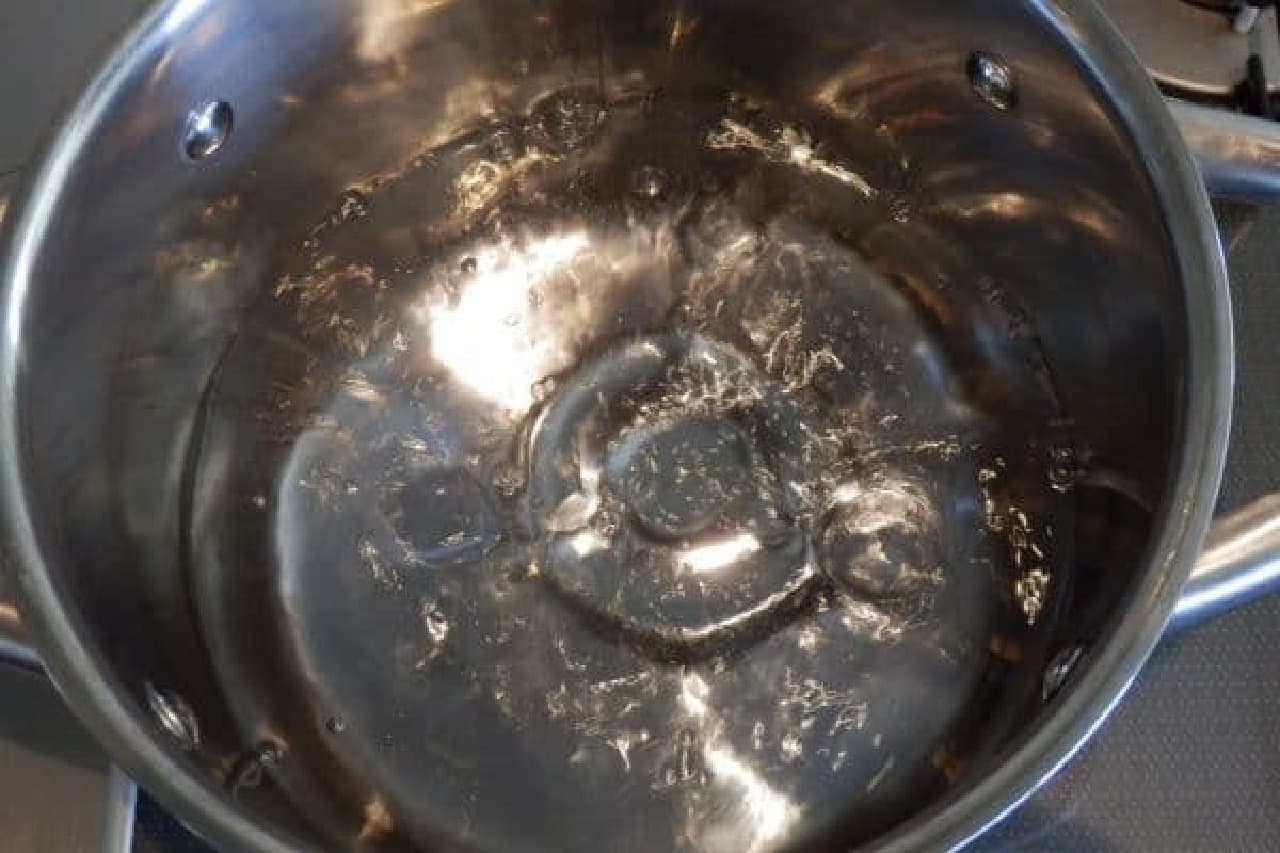
Suddenly it starts rampaging!
The first time I'm a little upset, but it's not a malfunction, so I boil the noodles as usual.
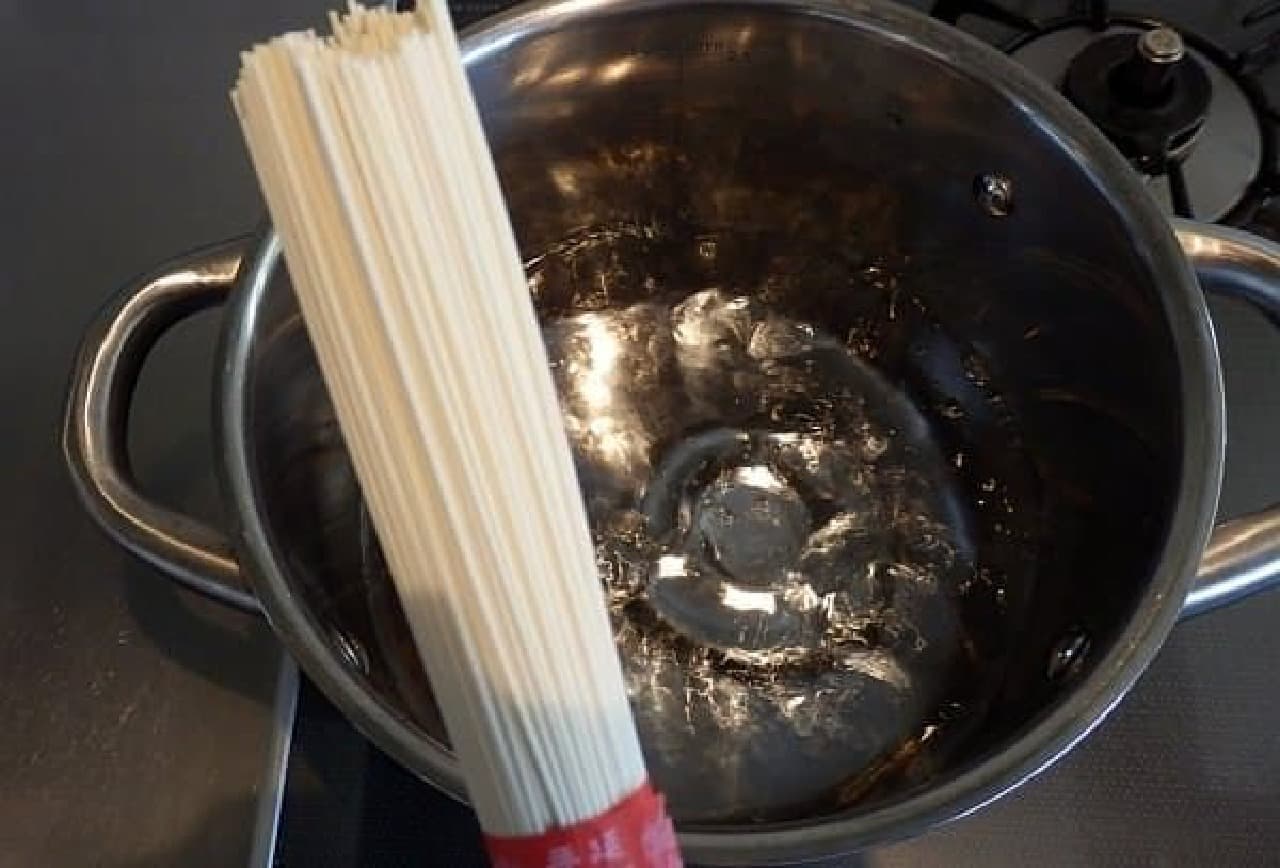
Somen
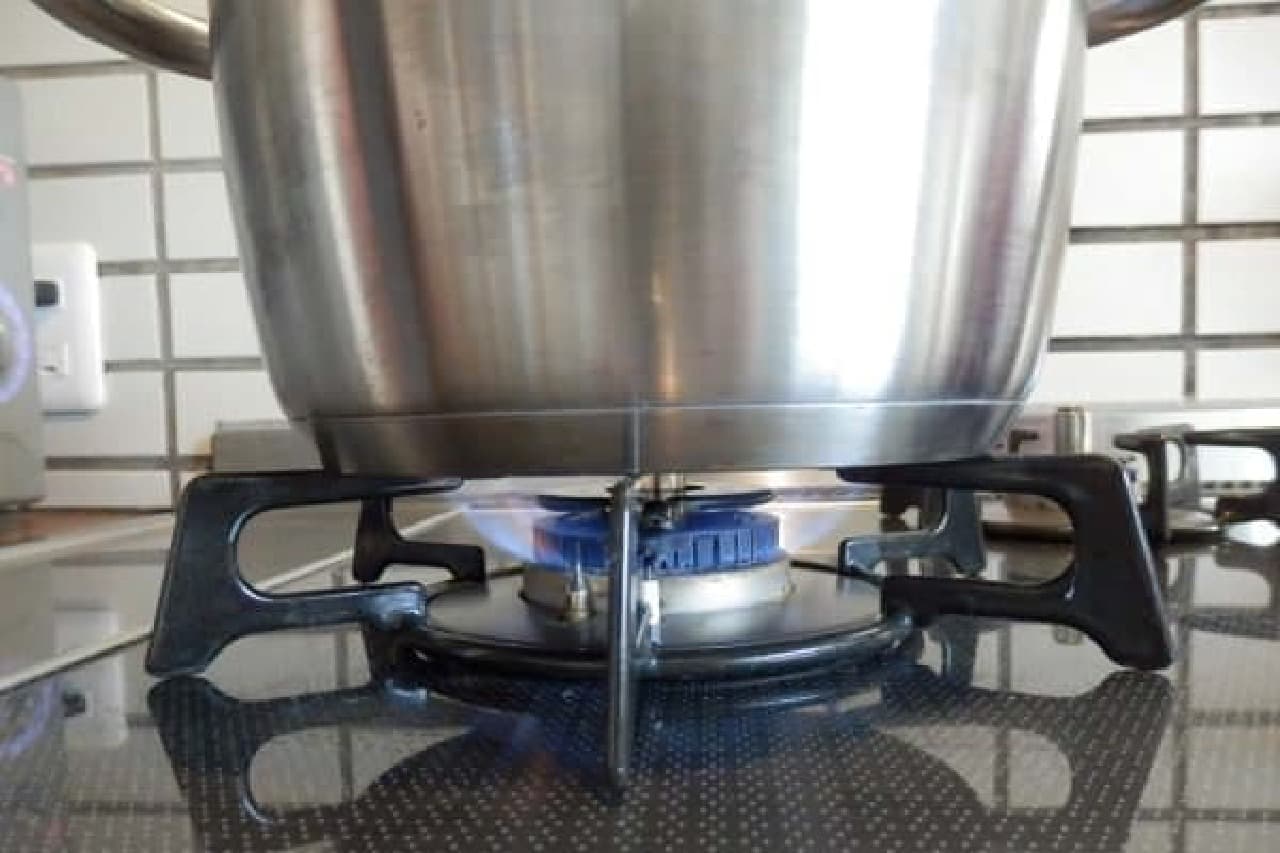
With bullish heat (medium heat is recommended)
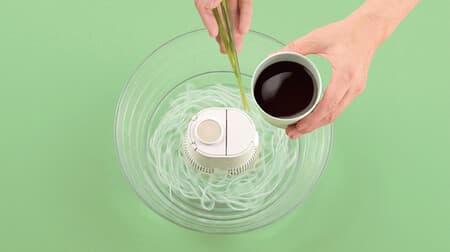
This time (because there is also a photo shoot), when I watched it properly, the noodles were vigorously stirred by the large bubbles generated earlier. However, the surface of the water remains transparent, so there is no need to worry about it spilling over.
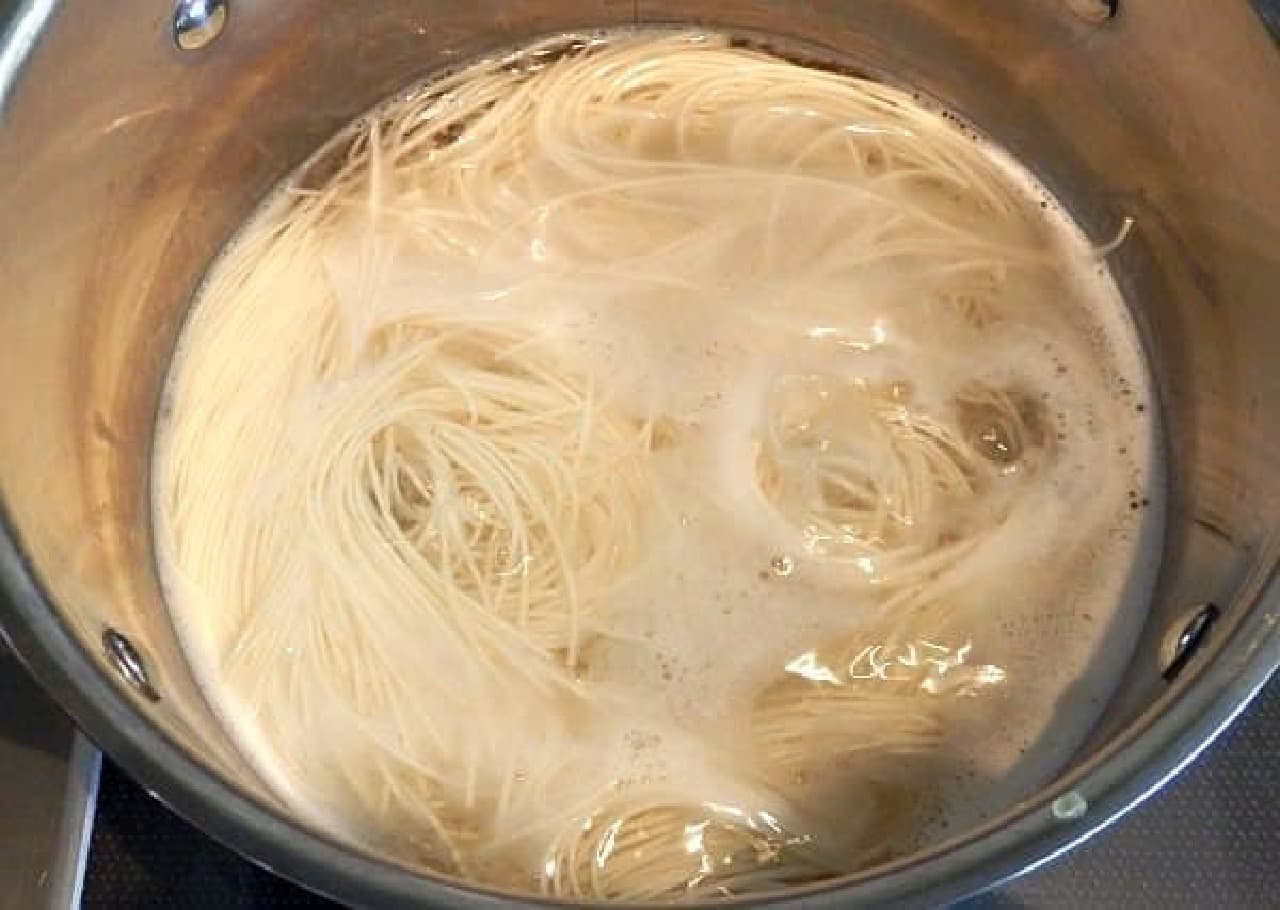
It's rough but there is no spill
Somehow I was curious, and when I took out Nabezoko-kun, a white devil (bubble) sprang up ...!
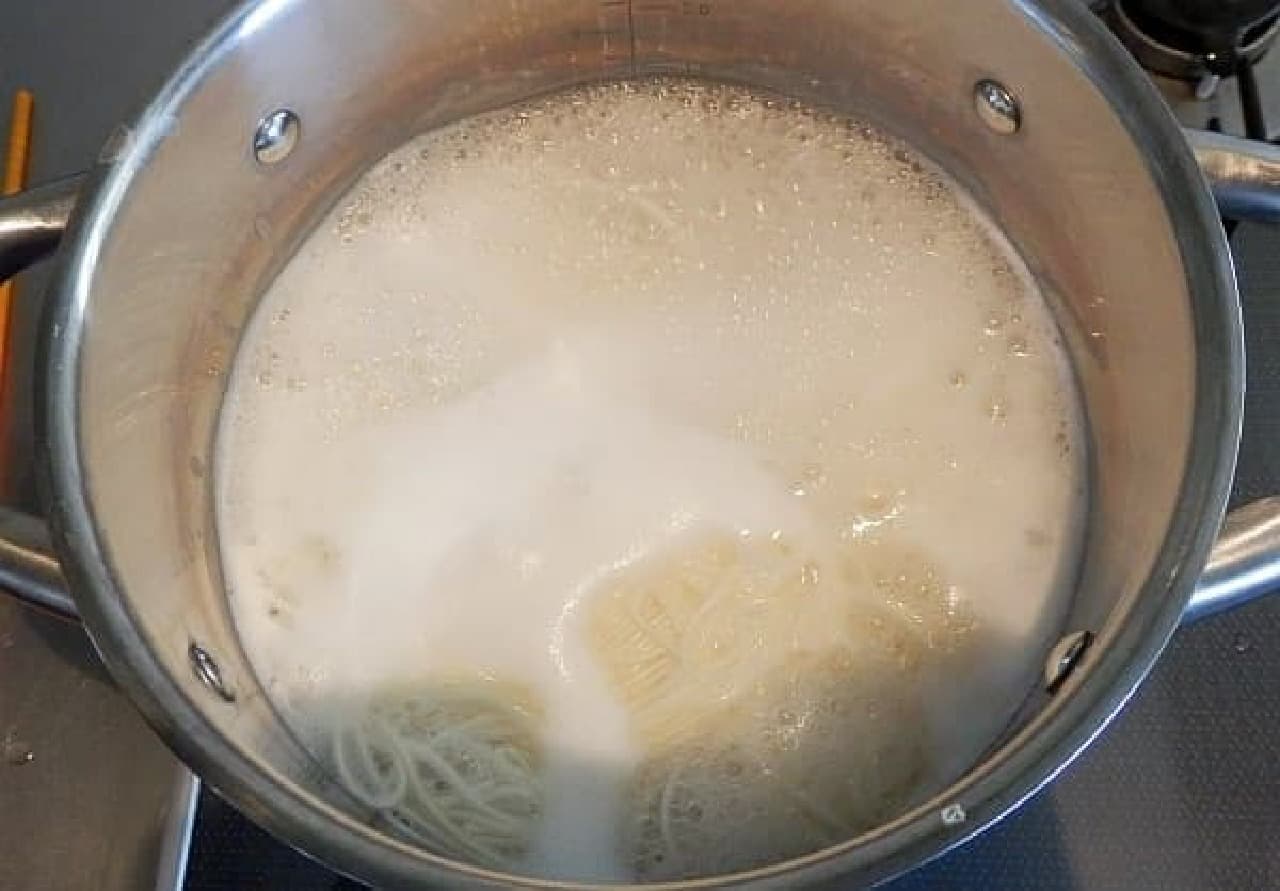
No no no no
◆ “Rattling sound” is important
By the way, it seems that the spillage when boiling noodles is caused by the sticky foam of starch coming out of the ingredients being pushed up. It is said that Nabezoko-kun's large bubbles cancel out these bubbles to prevent them from spilling over. The only thing I'm interested in is the vibration sound, but it seems that I have to accept it because bubbles can't be formed without vibration.
◆ For pasta and udon
It can be used not only for somen noodles but also for pasta and udon noodles, so it is sure to be active all year round. Its simple shape makes it easy to clean up afterwards. The noodles are also casually stirred, so why not leave the "boiled" to him from now on?
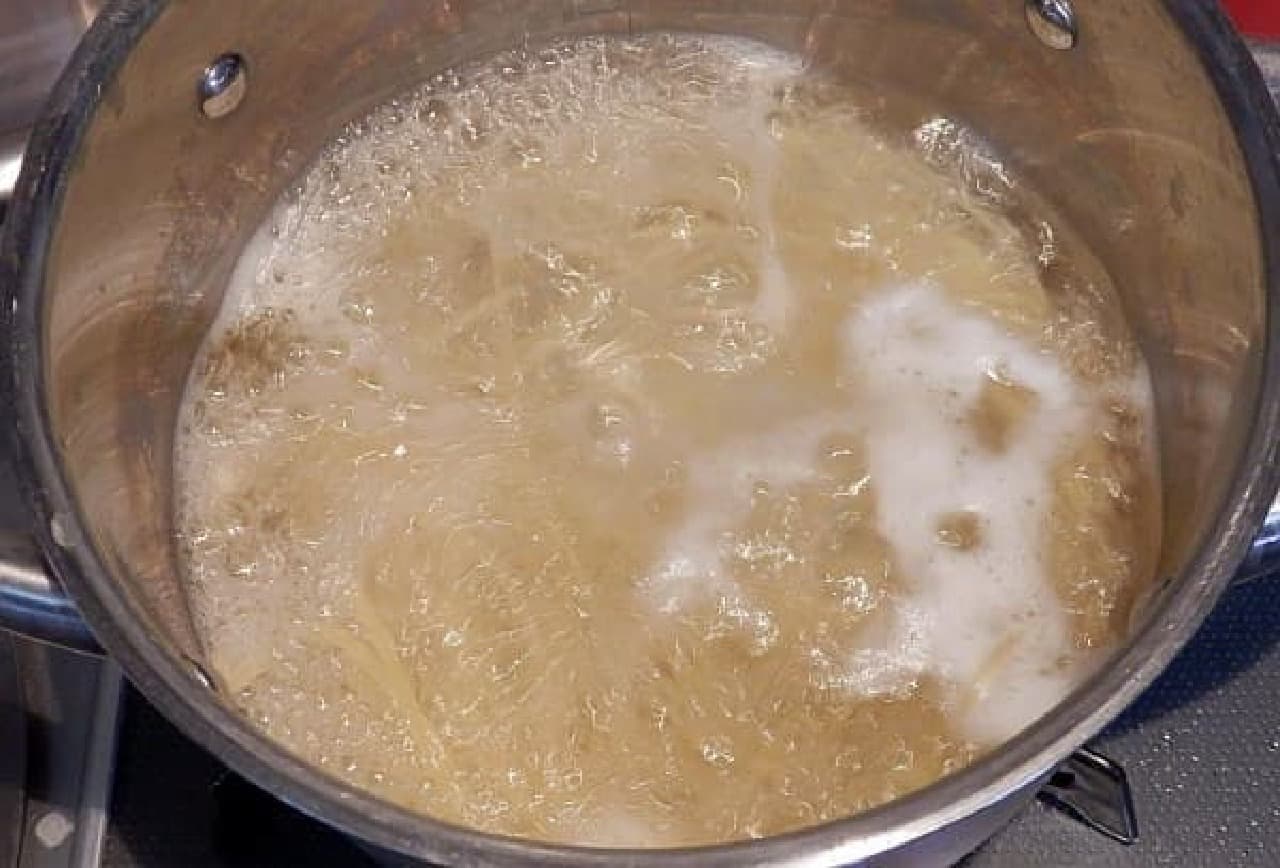
Pasta is also on this street!
◆ Bonus: Even 100-yen shops are sold.
After writing the article, I happened to find a similar product "Ara! Fushigi-kun" at "Can Do". The manufacturer is Echo Metal of Niigata, and like Nabezoko-kun, it is made of stainless steel in Japan. It has the same structure, but the size is larger, so you may use it properly depending on the application.
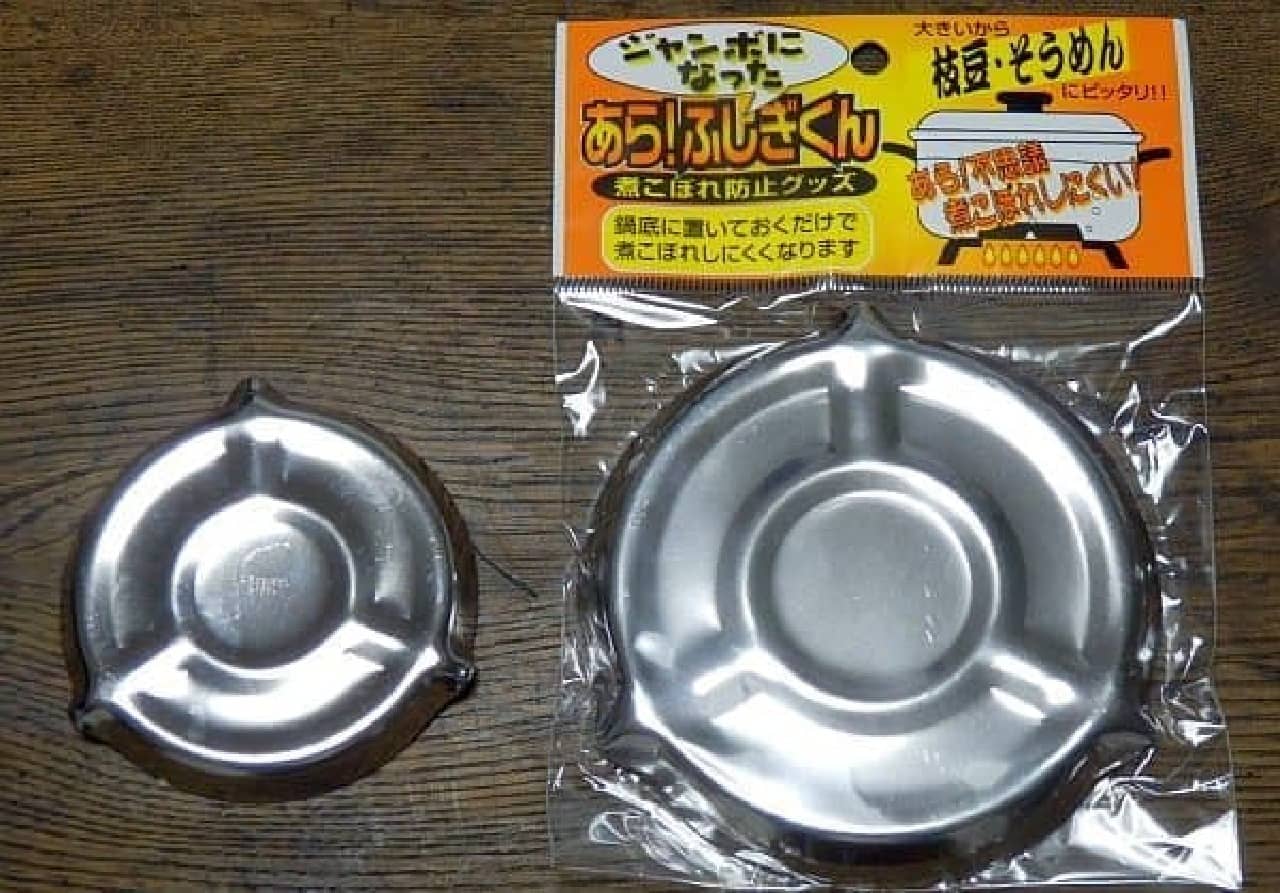
After writing the article, I happened to find a similar product "Ara! Fushigi-kun" at "Can Do". The manufacturer is Echo Metal of Niigata, and like Nabezoko-kun, it is made of stainless steel in Japan. It has the same structure, but the size is larger, so you may use it properly depending on the application.
Mysterious is a little big

![New petit-price cosmetics] Sezanne "Beige Tone Eyeshadow", "Bitter Tone Eyeshadow", "Durable Curl Mascara", "Ultra Fine Eyebrow Mascara" new colors](https://image.enuchi.jp/upload/articles/14090/cf25839abfcebcb2975f4d16d938f14d_related.jpg)